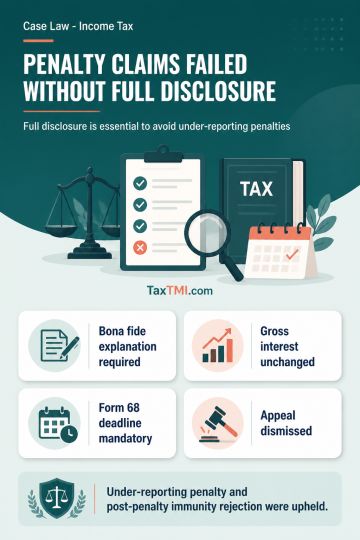
Bona fide disclosure requirements govern under-reporting penalties, and post-penalty immunity applications cannot secure available statutory protectio...
Certificate-of-origin verification procedure governs preferential customs benefits; denial without retroactive verification was set aside with consequ...
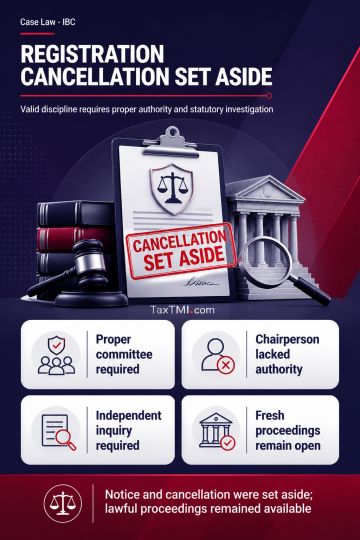
Disciplinary Committee jurisdiction and mandatory investigation requirements invalidated cancellation of an insolvency professional's registration and...
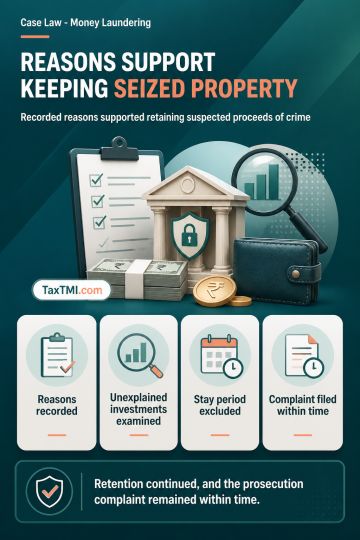
Retention of seized property survives where recorded reasons support proceeds of crime, while stayed investigation periods are excluded from limitatio...
State GST authorities may initiate intelligence-based enforcement action under the GST regime even where the taxpayer is administratively assigned to the Central administration, so the challenge to jurisdiction failed. Disputes over classification and the assessing authority's finding of suppression for invoking Section 74 involved disputed facts and could not be examined in writ jurisdiction, so those objections had to be pursued before the statutory appellate authority under Section 107. The writ court was therefore correct in directing the taxpayer to avail the appeal remedy while leaving all grounds, including jurisdiction, open before the appellate forum.
State GST authorities may initiate intelligence-based enforcement action under the GST regime even where the taxpayer is administratively assigned to the Central administration, so the challenge to jurisdiction failed. Disputes over classification and the assessing authority's finding of suppression for invoking Section 74 involved disputed facts and could not be examined in writ jurisdiction, so those objections had to be pursued before the statutory appellate authority under Section 107. The writ court was therefore correct in directing the taxpayer to avail the appeal remedy while leaving all grounds, including jurisdiction, open before the appellate forum.
Note: It is a system-generated summary and is for quick reference only.
 TaxTMI
  TaxTMI
 of 4817









 Join Channel


