Tender creditworthiness conditions may extend to de facto Promoter Directors, with post-participation challenges generally barred absent arbitrariness...
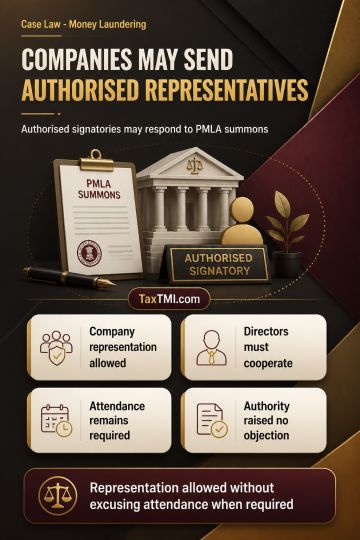
Corporate representation in PMLA summons proceedings permitted through an authorised signatory, subject to directors' continuing cooperation and atten...
Helicopter charter classification requires effective control analysis, while territorial performance, reasoned credit orders and wilful suppression de...
Specified fund definition expands PAN exemption eligibility for registered alternative investment funds and qualifying International Financial Service...
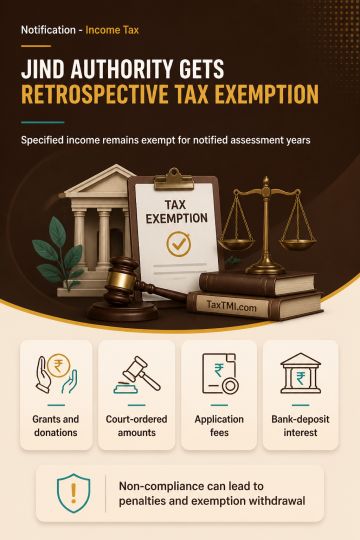
Tax exemption for specified legal-services authority income applies retrospectively, subject to non-commercial activity, unchanged income sources, and...
Approved resolution plans extinguish unsubmitted pre-approval tax claims, preventing later recovery outside the insolvency process and preserving a cl...
Page of 4819
Press 'Enter' after typing page number.
1241 to 1260 of 96363 Results
❮
❯
❯❯
0 / 200
Expand Note
Add to Folder
No Folders have been created
+
Are you sure you want to delete "My most important" ?
State GST authorities may initiate intelligence-based enforcement action under the GST regime even where the taxpayer is administratively assigned to the Central administration, so the challenge to jurisdiction failed. Disputes over classification and the assessing authority's finding of suppression for invoking Section 74 involved disputed facts and could not be examined in writ jurisdiction, so those objections had to be pursued before the statutory appellate authority under Section 107. The writ court was therefore correct in directing the taxpayer to avail the appeal remedy while leaving all grounds, including jurisdiction, open before the appellate forum.
State GST authorities may initiate intelligence-based enforcement action under the GST regime even where the taxpayer is administratively assigned to the Central administration, so the challenge to jurisdiction failed. Disputes over classification and the assessing authority's finding of suppression for invoking Section 74 involved disputed facts and could not be examined in writ jurisdiction, so those objections had to be pursued before the statutory appellate authority under Section 107. The writ court was therefore correct in directing the taxpayer to avail the appeal remedy while leaving all grounds, including jurisdiction, open before the appellate forum.
Note: It is a system-generated summary and is for quick reference only.
 TaxTMI
  TaxTMI
 of 4819














 Join Channel