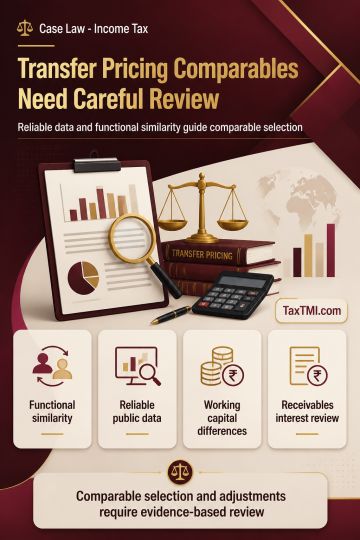
Transfer pricing comparability requires functional alignment, reliable financial data, and careful review of working capital and receivables adjustmen...
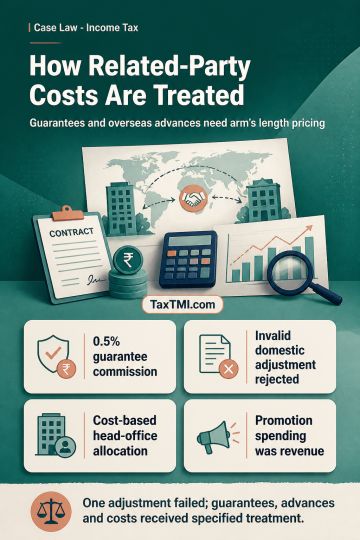
Transfer pricing rules require benchmarking corporate guarantees and associated-enterprise advances, while invalid domestic-transaction adjustments ca...
State GST authorities may initiate intelligence-based enforcement action under the GST regime even where the taxpayer is administratively assigned to the Central administration, so the challenge to jurisdiction failed. Disputes over classification and the assessing authority's finding of suppression for invoking Section 74 involved disputed facts and could not be examined in writ jurisdiction, so those objections had to be pursued before the statutory appellate authority under Section 107. The writ court was therefore correct in directing the taxpayer to avail the appeal remedy while leaving all grounds, including jurisdiction, open before the appellate forum.
State GST authorities may initiate intelligence-based enforcement action under the GST regime even where the taxpayer is administratively assigned to the Central administration, so the challenge to jurisdiction failed. Disputes over classification and the assessing authority's finding of suppression for invoking Section 74 involved disputed facts and could not be examined in writ jurisdiction, so those objections had to be pursued before the statutory appellate authority under Section 107. The writ court was therefore correct in directing the taxpayer to avail the appeal remedy while leaving all grounds, including jurisdiction, open before the appellate forum.
Note: It is a system-generated summary and is for quick reference only.
 TaxTMI
  TaxTMI
 of 4821










 Join Channel


