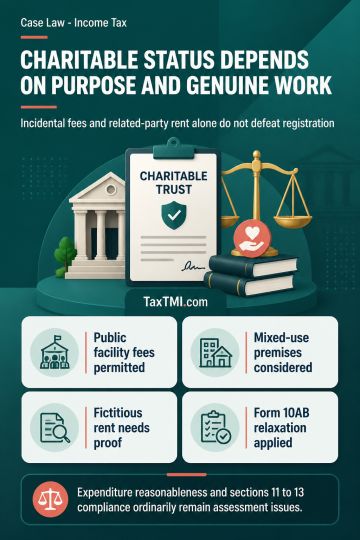
Charitable registration turns on predominant purpose and genuine activities, while incidental fees and related-party rent require supporting adverse m...
MAT book-profit adjustments exclude disallowances for exempt-income expenditure and demerger expenditure unless expressly listed under the statutory c...
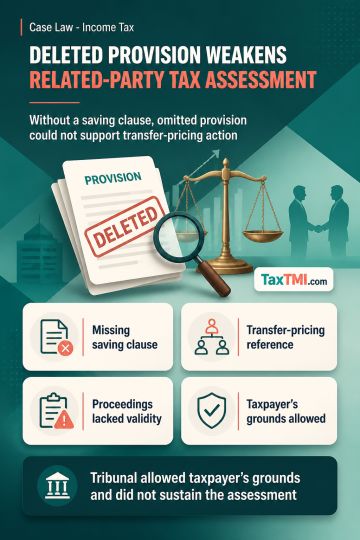
Omitted specified domestic transaction provision invalidates related-party expenditure transfer-pricing references and assessments based on consequent...
State GST authorities may initiate intelligence-based enforcement action under the GST regime even where the taxpayer is administratively assigned to the Central administration, so the challenge to jurisdiction failed. Disputes over classification and the assessing authority's finding of suppression for invoking Section 74 involved disputed facts and could not be examined in writ jurisdiction, so those objections had to be pursued before the statutory appellate authority under Section 107. The writ court was therefore correct in directing the taxpayer to avail the appeal remedy while leaving all grounds, including jurisdiction, open before the appellate forum.
State GST authorities may initiate intelligence-based enforcement action under the GST regime even where the taxpayer is administratively assigned to the Central administration, so the challenge to jurisdiction failed. Disputes over classification and the assessing authority's finding of suppression for invoking Section 74 involved disputed facts and could not be examined in writ jurisdiction, so those objections had to be pursued before the statutory appellate authority under Section 107. The writ court was therefore correct in directing the taxpayer to avail the appeal remedy while leaving all grounds, including jurisdiction, open before the appellate forum.
Note: It is a system-generated summary and is for quick reference only.
 TaxTMI
  TaxTMI
 of 4824







 Join Channel