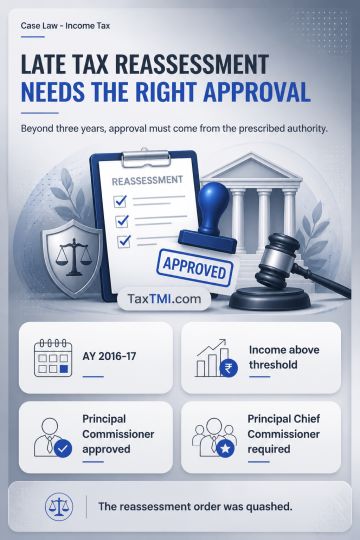
Statutory sanction for delayed reassessment requires approval from the prescribed authority; approval by an inferior authority invalidates jurisdictio...
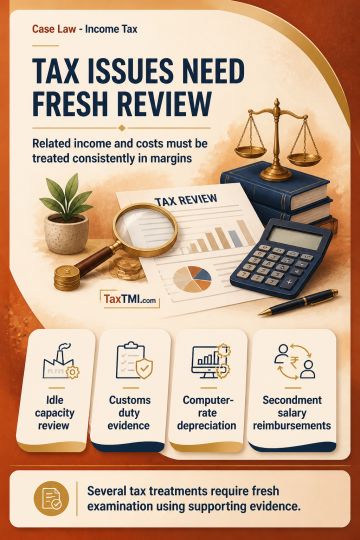
Transfer pricing margin adjustments require matching treatment of non-operating income and related costs, with comparability issues reconsidered on ev...
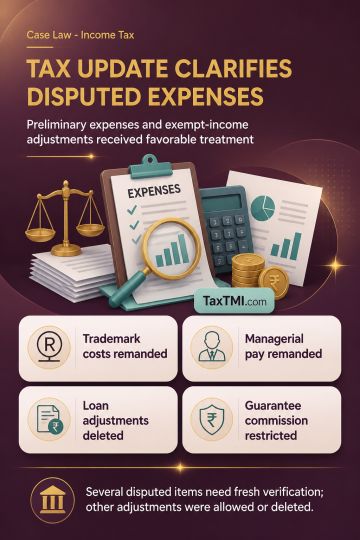
Preliminary-expense amortisation and MAT exempt-income adjustments prevailed, while trademark costs and managerial remuneration require fresh verifica...
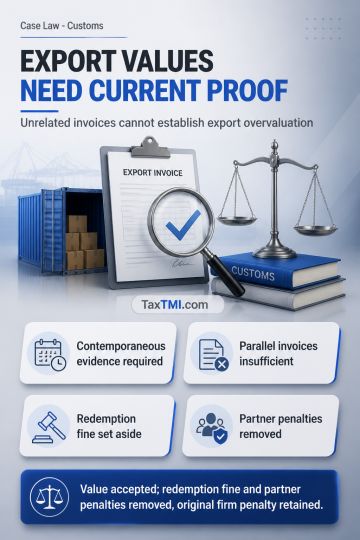
Export valuation requires contemporaneous evidence; unrelated invoices cannot prove overvaluation, and dual penalties on firm and partner are impermis...
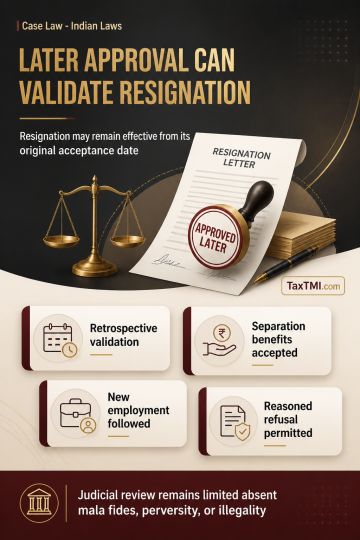
Ratification of resignation acceptance validates separation retrospectively, while withdrawal may be refused through reasoned administrative discretio...
Nature-dependent electricity contracts receive new Ind AS accounting, hedge designation, transition and financial-statement disclosure requirements fr...
A substituted petitioner could not sustain oppression and mismanagement claims where it had participated in, consented to, and benefited from the impugned allotment and related transactions, and had not amended the withdrawn original pleadings. The Tribunal held that silence in the meetings and absence of recorded dissent operated as assent, creating estoppel against later challenge. It further held that the share issue could not be invalidated on the basis of issue at par, absence of valuation, or connection of allottees with management under the Companies Act, 1956. Alleged contravention of Section 77 also failed for want of proof that company funds were used for purchase of its own shares. Securities law violations were held outside the scope of Sections 397-398 proceedings.
A substituted petitioner could not sustain oppression and mismanagement claims where it had participated in, consented to, and benefited from the impugned allotment and related transactions, and had not amended the withdrawn original pleadings. The Tribunal held that silence in the meetings and absence of recorded dissent operated as assent, creating estoppel against later challenge. It further held that the share issue could not be invalidated on the basis of issue at par, absence of valuation, or connection of allottees with management under the Companies Act, 1956. Alleged contravention of Section 77 also failed for want of proof that company funds were used for purchase of its own shares. Securities law violations were held outside the scope of Sections 397-398 proceedings.
Note: It is a system-generated summary and is for quick reference only.
 TaxTMI
  TaxTMI
 of 4826







 Join Channel