Transaction value rejection requires reliable corroboration; refundable VAT is excluded and temporary registration does not defeat new-vehicle exempti...
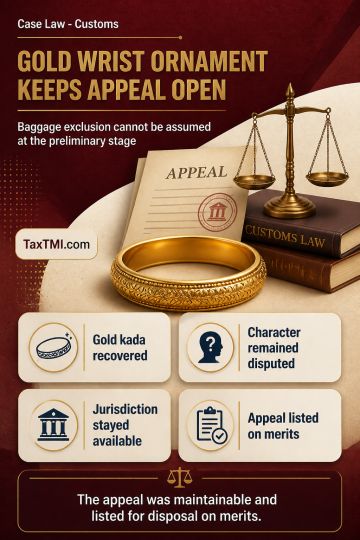
Appellate jurisdiction remains available where a wrist-worn gold ornament cannot conclusively be characterised as imported baggage at the preliminary ...
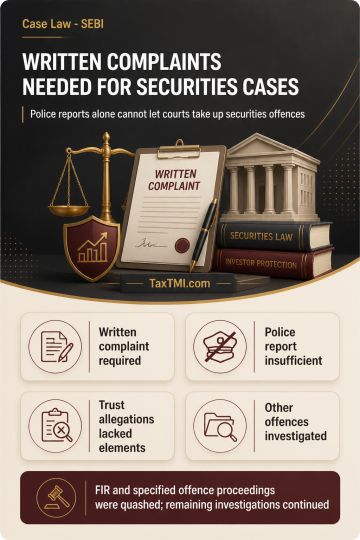
Written complaint requirement bars cognizance on police reports for securities offences, while unsupported breach of trust and cheating allegations fa...
Risk-based postal import clearance standardises electronic assessment, document requests, duty realisation and delivery controls at Foreign Post Offic...
Customs Cargo Service Provider appointment extends custodianship to additional terminal land, subject to cargo-control, security and licence condition...
A Joint Commissioner who had issued the show-cause notice before a later circular could validly pass the Order-in-Original imposing penalty for fraudulent availment and passing of ITC, since the proceedings had been initiated under Section 74 and the same officer had jurisdiction on the date of adjudication. The Court held that Section 160 of the CGST Act cured mere procedural defects or omissions where the proceedings were otherwise in substance in conformity with the Act. It also noted that the petitioner had not effectively contested jurisdiction at the notice stage or participated in the proceedings, so the objection was untenable. The writ challenge failed, with liberty to pursue the statutory appeal.
A Joint Commissioner who had issued the show-cause notice before a later circular could validly pass the Order-in-Original imposing penalty for fraudulent availment and passing of ITC, since the proceedings had been initiated under Section 74 and the same officer had jurisdiction on the date of adjudication. The Court held that Section 160 of the CGST Act cured mere procedural defects or omissions where the proceedings were otherwise in substance in conformity with the Act. It also noted that the petitioner had not effectively contested jurisdiction at the notice stage or participated in the proceedings, so the objection was untenable. The writ challenge failed, with liberty to pursue the statutory appeal.
Note: It is a system-generated summary and is for quick reference only.
 TaxTMI
  TaxTMI
 of 4826









 Join Channel