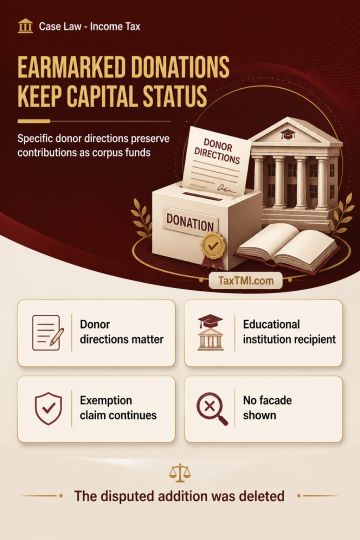
Donor-directed corpus contributions retain capital character despite exemption claims under section 10(23C)(vi), preventing their treatment as taxable...
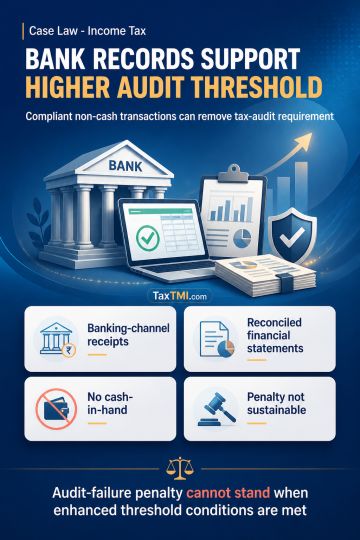
Enhanced tax-audit threshold applies where banking records establish compliant non-cash receipts and payments, eliminating penalty exposure for audit ...
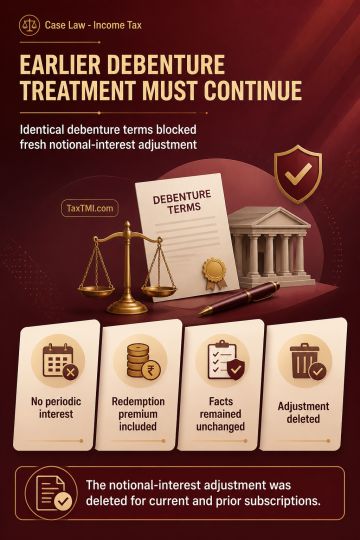
Transfer pricing consistency protects identical non-interest-bearing debenture terms from a later notional-interest adjustment without valid statutory...
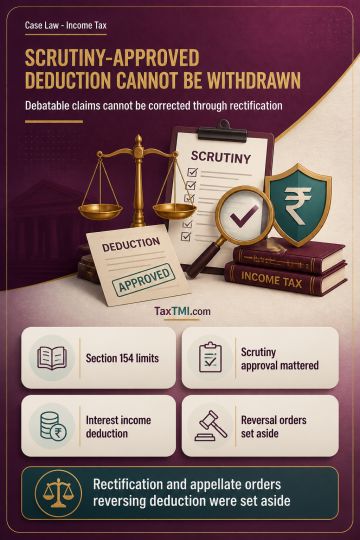
Rectification of debatable deduction claims cannot reverse scrutiny-approved co-operative society interest income deductions as apparent record errors...
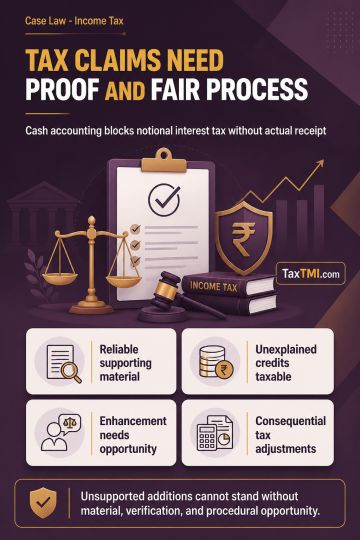
Cash-method accounting bars presumptive interest taxation, while unsupported securities and share-trading additions require reliable material and veri...
A Joint Commissioner who had issued the show-cause notice before a later circular could validly pass the Order-in-Original imposing penalty for fraudulent availment and passing of ITC, since the proceedings had been initiated under Section 74 and the same officer had jurisdiction on the date of adjudication. The Court held that Section 160 of the CGST Act cured mere procedural defects or omissions where the proceedings were otherwise in substance in conformity with the Act. It also noted that the petitioner had not effectively contested jurisdiction at the notice stage or participated in the proceedings, so the objection was untenable. The writ challenge failed, with liberty to pursue the statutory appeal.
A Joint Commissioner who had issued the show-cause notice before a later circular could validly pass the Order-in-Original imposing penalty for fraudulent availment and passing of ITC, since the proceedings had been initiated under Section 74 and the same officer had jurisdiction on the date of adjudication. The Court held that Section 160 of the CGST Act cured mere procedural defects or omissions where the proceedings were otherwise in substance in conformity with the Act. It also noted that the petitioner had not effectively contested jurisdiction at the notice stage or participated in the proceedings, so the objection was untenable. The writ challenge failed, with liberty to pursue the statutory appeal.
Note: It is a system-generated summary and is for quick reference only.
 TaxTMI
  TaxTMI
 of 4828







 Join Channel