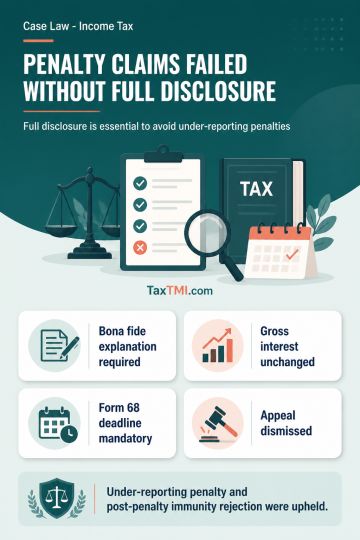
Bona fide disclosure requirements govern under-reporting penalties, and post-penalty immunity applications cannot secure available statutory protectio...
Certificate-of-origin verification procedure governs preferential customs benefits; denial without retroactive verification was set aside with consequ...
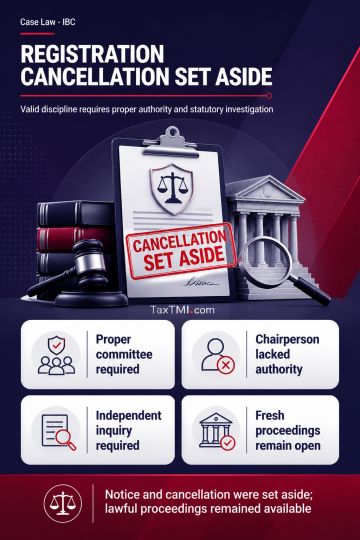
Disciplinary Committee jurisdiction and mandatory investigation requirements invalidated cancellation of an insolvency professional's registration and...
Retention of seized property survives where recorded reasons support proceeds of crime, while stayed investigation periods are excluded from limitatio...
The appellate authority misread Rule 112 by treating production of additional evidence in appeal as unavailable, without examining whether the case fell within clauses (a) to (d) of sub-rule (1). The High Court held that the petitioner's contentions on the admissibility of additional evidence required consideration, and that the matter could also have been remanded to the original authority if factual examination was necessary. Because the substantive grounds and additional evidence were not considered under Rule 112, the appellate order could not stand. The order was set aside and the appeal remanded for fresh decision, with all contentions left open.
The appellate authority misread Rule 112 by treating production of additional evidence in appeal as unavailable, without examining whether the case fell within clauses (a) to (d) of sub-rule (1). The High Court held that the petitioner's contentions on the admissibility of additional evidence required consideration, and that the matter could also have been remanded to the original authority if factual examination was necessary. Because the substantive grounds and additional evidence were not considered under Rule 112, the appellate order could not stand. The order was set aside and the appeal remanded for fresh decision, with all contentions left open.
Note: It is a system-generated summary and is for quick reference only.
 TaxTMI
  TaxTMI
 of 4817













 Join Channel


