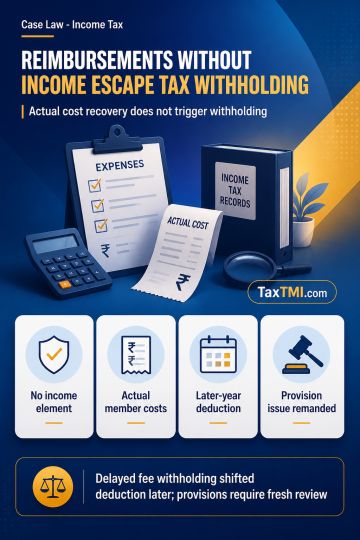
Pure reimbursement without income element escapes tax withholding, while delayed withholding and unsupported provisions face deferred or renewed scrut...
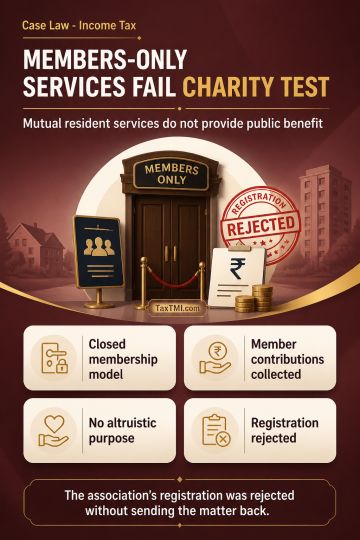
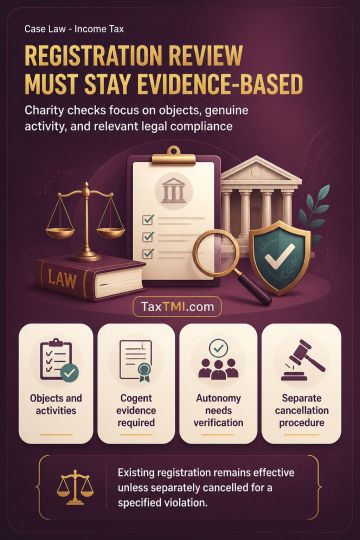
Public benefit requirement defeats charitable registration where residents' association services are reciprocal, member-only facilities governed by mu...
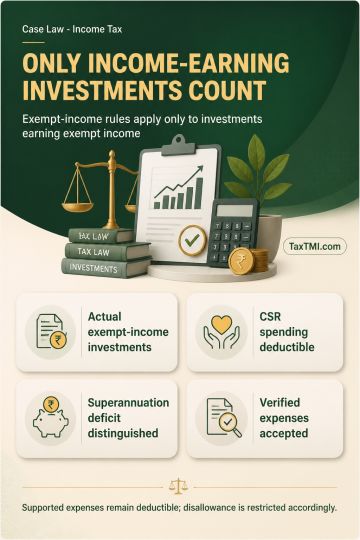
Exempt-income expenditure disallowance is confined to investments that actually generated exempt income, while supported business expenses remain dedu...
Objective characteristics and principal use govern mining-tyre classification, while fresh advance ruling applications may rely on additional technica...
The appellate authority misread Rule 112 by treating production of additional evidence in appeal as unavailable, without examining whether the case fell within clauses (a) to (d) of sub-rule (1). The High Court held that the petitioner's contentions on the admissibility of additional evidence required consideration, and that the matter could also have been remanded to the original authority if factual examination was necessary. Because the substantive grounds and additional evidence were not considered under Rule 112, the appellate order could not stand. The order was set aside and the appeal remanded for fresh decision, with all contentions left open.
The appellate authority misread Rule 112 by treating production of additional evidence in appeal as unavailable, without examining whether the case fell within clauses (a) to (d) of sub-rule (1). The High Court held that the petitioner's contentions on the admissibility of additional evidence required consideration, and that the matter could also have been remanded to the original authority if factual examination was necessary. Because the substantive grounds and additional evidence were not considered under Rule 112, the appellate order could not stand. The order was set aside and the appeal remanded for fresh decision, with all contentions left open.
Note: It is a system-generated summary and is for quick reference only.
 TaxTMI
  TaxTMI
 of 4821










 Join Channel


