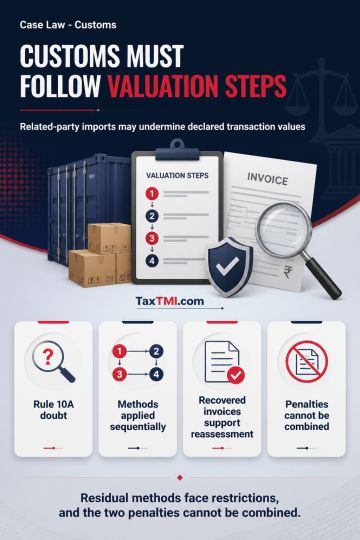
Charitable trust income application permits verified capital expenditure but rejects deferred pre-operative claims and requires reconsideration of con...
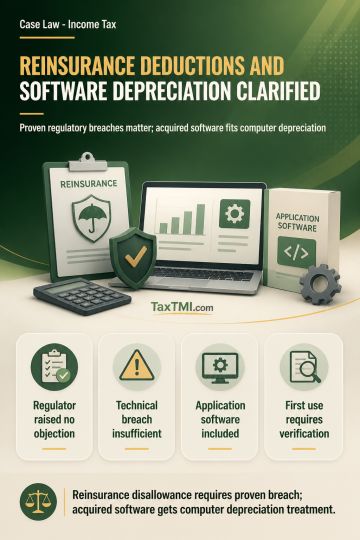
Reinsurance premium deductions require established regulatory breaches, while independently acquired software qualifies within the computer depreciati...
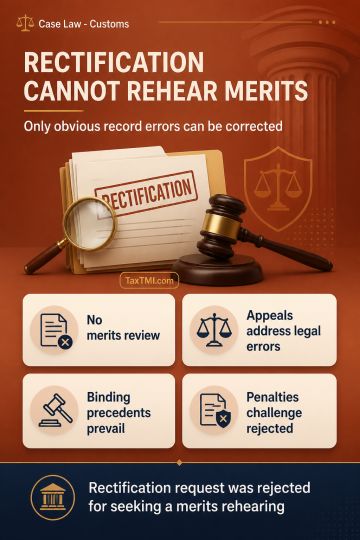
Rectification of mistake remains limited to self-evident record errors, preventing merits review through miscellaneous applications and preserving fin...
Penalty under section 270A(2)(b) was deleted where executors could not file the deceased assessee's return before probate was granted. The Tribunal accepted that, under section 270A(6), the explanation was reasonable and bona fide because the delay arose from circumstances beyond the executors' control, including the absence of court appointment and the time taken to obtain probate. It also noted that the obligation on legal heirs or executors to file the return arises only after receipt of the court order appointing them, and the relevant period was covered by the Supreme Court's COVID-related limitation extension. The penalty was therefore unsustainable.
Penalty under section 270A(2)(b) was deleted where executors could not file the deceased assessee's return before probate was granted. The Tribunal accepted that, under section 270A(6), the explanation was reasonable and bona fide because the delay arose from circumstances beyond the executors' control, including the absence of court appointment and the time taken to obtain probate. It also noted that the obligation on legal heirs or executors to file the return arises only after receipt of the court order appointing them, and the relevant period was covered by the Supreme Court's COVID-related limitation extension. The penalty was therefore unsustainable.
Note: It is a system-generated summary and is for quick reference only.
 TaxTMI
  TaxTMI
 of 4824











 Join Channel