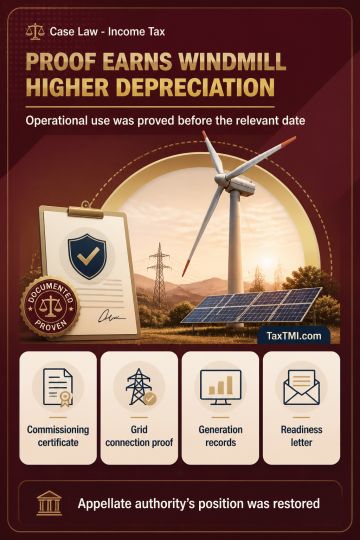
Windmill commissioning evidence supported higher depreciation where grid connection and electricity generation proved operational use before the relev...
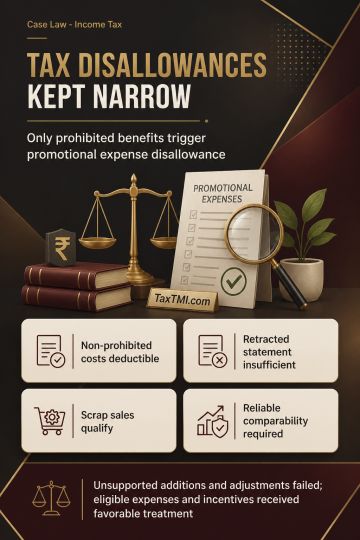
Pharmaceutical promotion and transfer-pricing comparability principles limited disallowances, while uncorroborated search allegations and unsupported ...
Business expenditure substantiation supports scrap credits, statutory payments and expense claims, while depreciation requires proof of actual busines...
Penalty under section 270A(2)(b) was deleted where executors could not file the deceased assessee's return before probate was granted. The Tribunal accepted that, under section 270A(6), the explanation was reasonable and bona fide because the delay arose from circumstances beyond the executors' control, including the absence of court appointment and the time taken to obtain probate. It also noted that the obligation on legal heirs or executors to file the return arises only after receipt of the court order appointing them, and the relevant period was covered by the Supreme Court's COVID-related limitation extension. The penalty was therefore unsustainable.
Penalty under section 270A(2)(b) was deleted where executors could not file the deceased assessee's return before probate was granted. The Tribunal accepted that, under section 270A(6), the explanation was reasonable and bona fide because the delay arose from circumstances beyond the executors' control, including the absence of court appointment and the time taken to obtain probate. It also noted that the obligation on legal heirs or executors to file the return arises only after receipt of the court order appointing them, and the relevant period was covered by the Supreme Court's COVID-related limitation extension. The penalty was therefore unsustainable.
Note: It is a system-generated summary and is for quick reference only.
 TaxTMI
  TaxTMI
 of 4826











 Join Channel