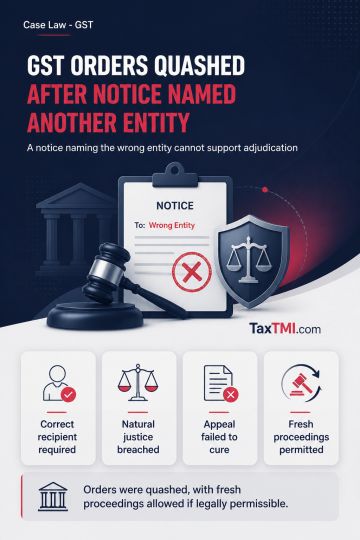
Rectification of mistake remains limited to self-evident record errors, preventing merits review through miscellaneous applications and preserving fin...
Tender creditworthiness conditions may extend to de facto Promoter Directors, with post-participation challenges generally barred absent arbitrariness...
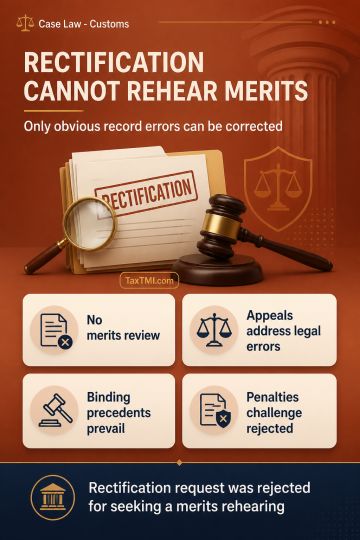
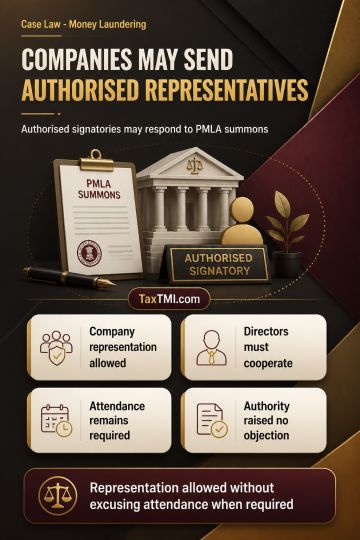
Corporate representation in PMLA summons proceedings permitted through an authorised signatory, subject to directors' continuing cooperation and atten...
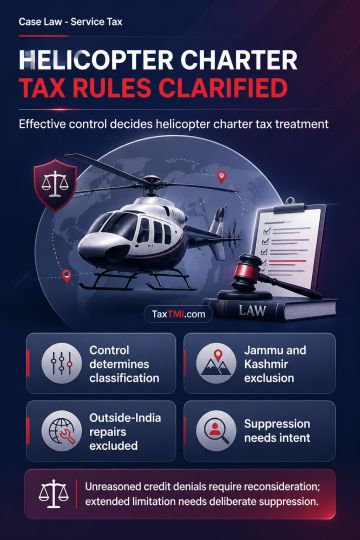
Helicopter charter classification requires effective control analysis, while territorial performance, reasoned credit orders and wilful suppression de...
Specified fund definition expands PAN exemption eligibility for registered alternative investment funds and qualifying International Financial Service...
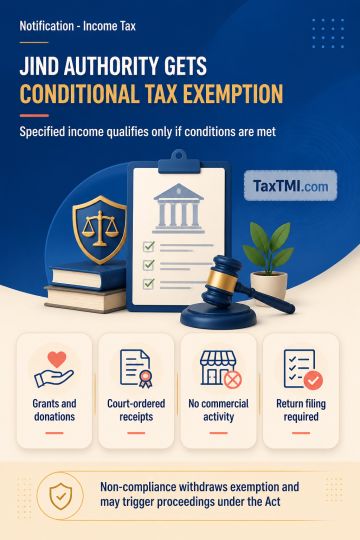
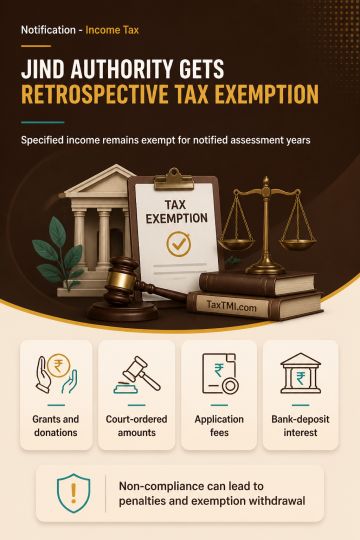
Tax exemption for specified legal-services authority income applies retrospectively, subject to non-commercial activity, unchanged income sources, and...
A bank receiving cheques for collection acts as the customer's agent and must exercise due diligence in presenting them within the validity period; once a temporary obstacle such as a strike ends, the cheques must be re-presented within a reasonable time. Failure to do so, resulting in stale cheques, amounts to negligence and deficiency in service under consumer law, and the concurrent finding of deficiency was upheld. On compensation, consumer redress must be fair and commensurate with the proved loss; because the downstream consequences of timely dishonour remained uncertain, token compensation was appropriate. The award was therefore reduced from 10 percent to 6 percent of the cheque amount, with interest also reduced to 6 percent per annum.
A bank receiving cheques for collection acts as the customer's agent and must exercise due diligence in presenting them within the validity period; once a temporary obstacle such as a strike ends, the cheques must be re-presented within a reasonable time. Failure to do so, resulting in stale cheques, amounts to negligence and deficiency in service under consumer law, and the concurrent finding of deficiency was upheld. On compensation, consumer redress must be fair and commensurate with the proved loss; because the downstream consequences of timely dishonour remained uncertain, token compensation was appropriate. The award was therefore reduced from 10 percent to 6 percent of the cheque amount, with interest also reduced to 6 percent per annum.
Note: It is a system-generated summary and is for quick reference only.
 TaxTMI
  TaxTMI
 of 4819







 Join Channel