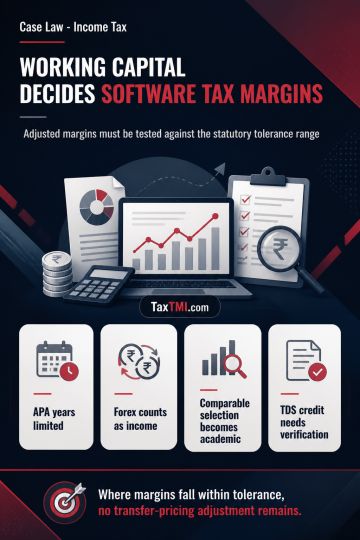
Working-capital adjustment determines whether software-services transfer-pricing margins fall within the statutory tolerance range, eliminating any ad...
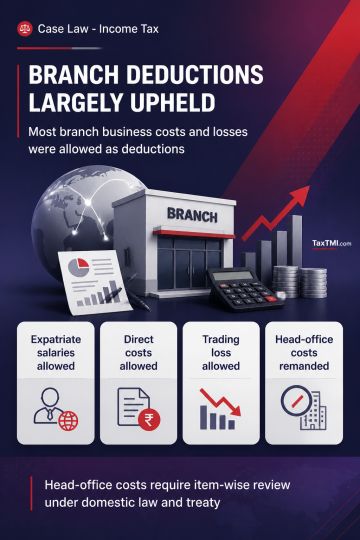
Permanent establishment deductions upheld for expatriate salaries, direct costs and trading losses, while head-office costs require fresh classificati...
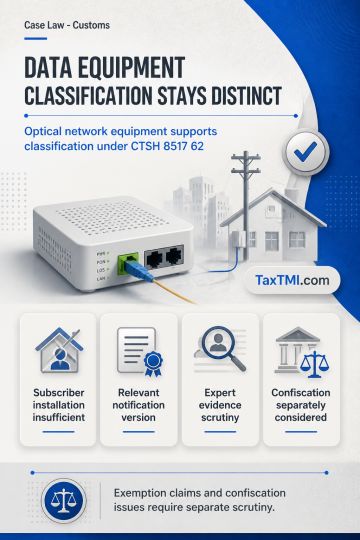
Data transmission equipment classification under CTSH 8517 62 remains distinct from residual classification, with exemption evidence requiring scrutin...
Existence of an efficacious statutory appeal under the CGST Act justified refusal of writ jurisdiction against GST adjudication orders passed by municipal bodies. The Court found that the challenge was not a case of lack of jurisdiction, because the alleged GST immunity depended on examination of the underlying transactions and the adjudicating authority had already undertaken that factual exercise. As no exceptional circumstance, including a vires challenge, was shown, the petitioners were relegated to the appellate remedy. Appeals filed within the time granted and with statutory compliances were to be heard on merits without objection on limitation, and all substantive contentions were left open.
Existence of an efficacious statutory appeal under the CGST Act justified refusal of writ jurisdiction against GST adjudication orders passed by municipal bodies. The Court found that the challenge was not a case of lack of jurisdiction, because the alleged GST immunity depended on examination of the underlying transactions and the adjudicating authority had already undertaken that factual exercise. As no exceptional circumstance, including a vires challenge, was shown, the petitioners were relegated to the appellate remedy. Appeals filed within the time granted and with statutory compliances were to be heard on merits without objection on limitation, and all substantive contentions were left open.
Note: It is a system-generated summary and is for quick reference only.
 TaxTMI
  TaxTMI
 of 4819








 Join Channel