TNMM functional comparability requires excluding rice manufacturers from a pure Basmati rice trader's benchmark and recognising operating export recei...
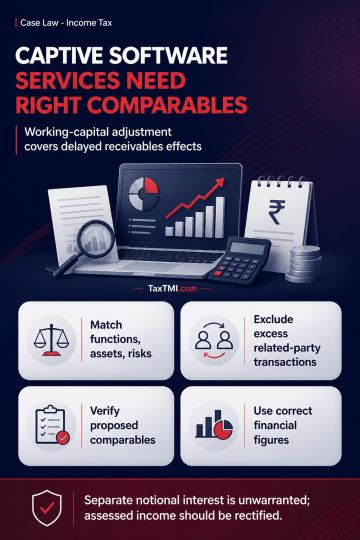
Working-capital adjustment subsumes delayed-receivable effects in TNMM benchmarking of captive software-development services, avoiding separate notion...
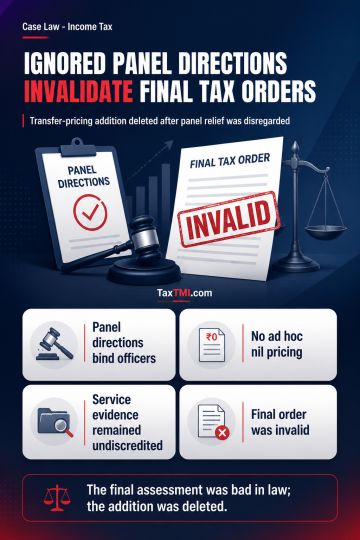
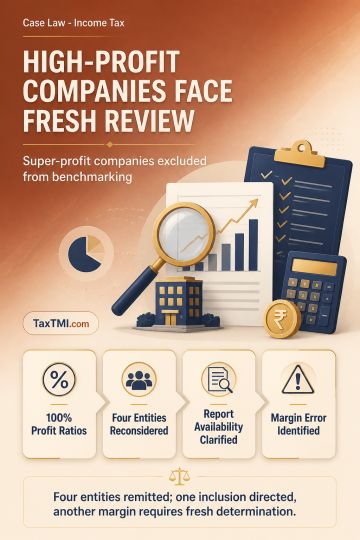
Transfer-pricing comparability requires exclusion of financially illogical super-profit comparables and correction of unsupported annual-report and ma...
Charitable character assessment preserves Section 80G approval despite inclusive spiritual teachings and incidental religious expenditure within the s...
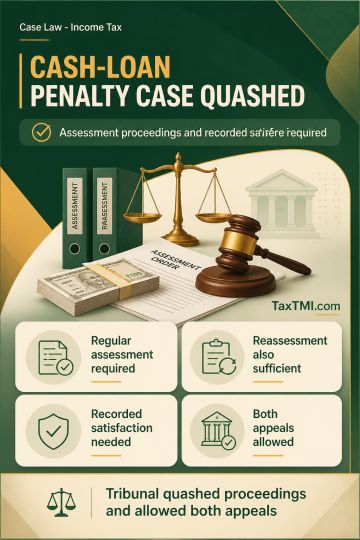
Penalty proceedings for cash-loan acceptance require assessment proceedings and recorded Assessing Officer satisfaction; absent these, the proceedings...
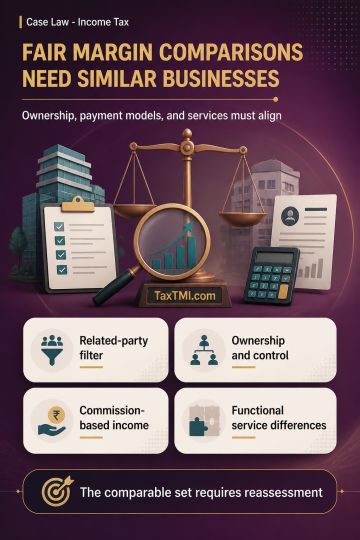
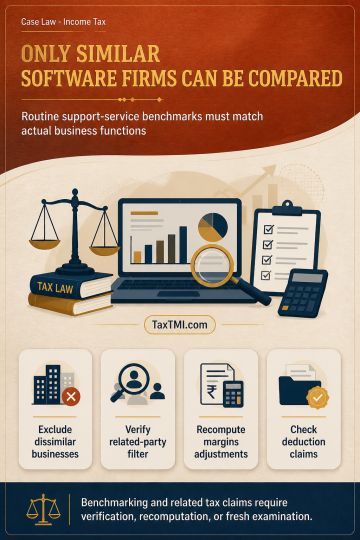
Functional comparability governs software-service benchmarking: dissimilar companies are excluded, while related-party filters, margins and working-ca...
The ITAT upheld reassessment jurisdiction under the post-1.4.2021 search regime, holding that incriminating material is not a condition precedent for issuing notice under section 148 and that such material is to be examined in the reassessment proceedings; the challenge to the notice therefore failed. On merits, it deleted the section 68 and consequential section 69C additions on sale of investments, finding that the investments were earlier accepted in audited balance sheets and scrutiny, sale proceeds were received through banking channels from identified purchasers, and the additions rested mainly on uncorroborated third-party statements and seized material without cross-examination.
The ITAT upheld reassessment jurisdiction under the post-1.4.2021 search regime, holding that incriminating material is not a condition precedent for issuing notice under section 148 and that such material is to be examined in the reassessment proceedings; the challenge to the notice therefore failed. On merits, it deleted the section 68 and consequential section 69C additions on sale of investments, finding that the investments were earlier accepted in audited balance sheets and scrutiny, sale proceeds were received through banking channels from identified purchasers, and the additions rested mainly on uncorroborated third-party statements and seized material without cross-examination.
Note: It is a system-generated summary and is for quick reference only.
 TaxTMI
  TaxTMI
 of 4830










 Join Channel


