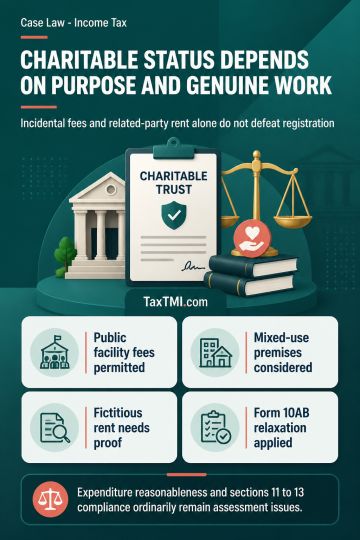
Charitable registration turns on predominant purpose and genuine activities, while incidental fees and related-party rent require supporting adverse m...
MAT book-profit adjustments exclude disallowances for exempt-income expenditure and demerger expenditure unless expressly listed under the statutory c...
Writ jurisdiction under Article 226 was declined against a show cause notice and consequential order under section 74 of the CGST Act because an efficacious statutory appeal was available under section 107 read with Rule 109A. The Court held that challenges requiring examination of the corrigendum, the underlying material, and the nature of the correction involved factual appreciation and therefore did not fall within the limited certiorari jurisdiction. Mere disagreement with the adjudicating authority's conclusions was insufficient to bypass the appellate remedy. The Court also noted that recognised exceptional grounds such as breach of fundamental rights, natural justice violations, excess of jurisdiction, or challenge to vires were not made out on the material before it, and it expressed no opinion on the merits.
Writ jurisdiction under Article 226 was declined against a show cause notice and consequential order under section 74 of the CGST Act because an efficacious statutory appeal was available under section 107 read with Rule 109A. The Court held that challenges requiring examination of the corrigendum, the underlying material, and the nature of the correction involved factual appreciation and therefore did not fall within the limited certiorari jurisdiction. Mere disagreement with the adjudicating authority's conclusions was insufficient to bypass the appellate remedy. The Court also noted that recognised exceptional grounds such as breach of fundamental rights, natural justice violations, excess of jurisdiction, or challenge to vires were not made out on the material before it, and it expressed no opinion on the merits.
Note: It is a system-generated summary and is for quick reference only.
 TaxTMI
  TaxTMI
 of 4821





 Join Channel


