Donor-directed corpus contributions retain capital character despite exemption claims under section 10(23C)(vi), preventing their treatment as taxable...
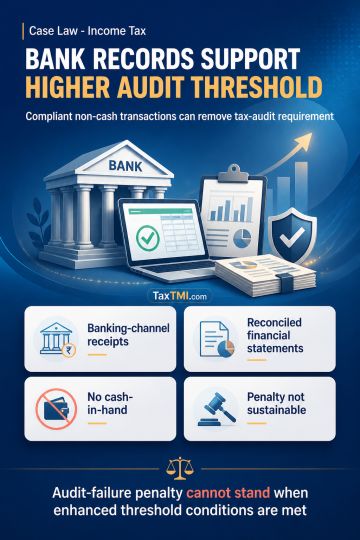
Enhanced tax-audit threshold applies where banking records establish compliant non-cash receipts and payments, eliminating penalty exposure for audit ...
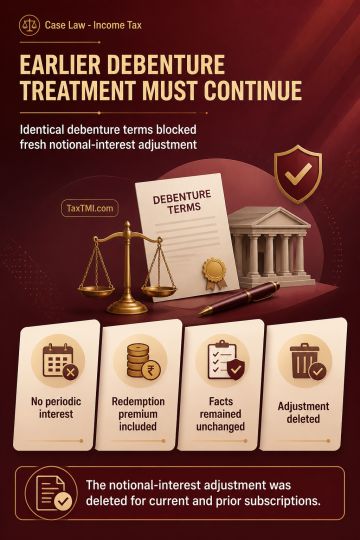
Transfer pricing consistency protects identical non-interest-bearing debenture terms from a later notional-interest adjustment without valid statutory...
Rectification of debatable deduction claims cannot reverse scrutiny-approved co-operative society interest income deductions as apparent record errors...
Cash-method accounting bars presumptive interest taxation, while unsupported securities and share-trading additions require reliable material and veri...
Writ jurisdiction under Article 226 was declined against a show cause notice and consequential order under section 74 of the CGST Act because an efficacious statutory appeal was available under section 107 read with Rule 109A. The Court held that challenges requiring examination of the corrigendum, the underlying material, and the nature of the correction involved factual appreciation and therefore did not fall within the limited certiorari jurisdiction. Mere disagreement with the adjudicating authority's conclusions was insufficient to bypass the appellate remedy. The Court also noted that recognised exceptional grounds such as breach of fundamental rights, natural justice violations, excess of jurisdiction, or challenge to vires were not made out on the material before it, and it expressed no opinion on the merits.
Writ jurisdiction under Article 226 was declined against a show cause notice and consequential order under section 74 of the CGST Act because an efficacious statutory appeal was available under section 107 read with Rule 109A. The Court held that challenges requiring examination of the corrigendum, the underlying material, and the nature of the correction involved factual appreciation and therefore did not fall within the limited certiorari jurisdiction. Mere disagreement with the adjudicating authority's conclusions was insufficient to bypass the appellate remedy. The Court also noted that recognised exceptional grounds such as breach of fundamental rights, natural justice violations, excess of jurisdiction, or challenge to vires were not made out on the material before it, and it expressed no opinion on the merits.
Note: It is a system-generated summary and is for quick reference only.
 TaxTMI
  TaxTMI
 of 4826















 Join Channel