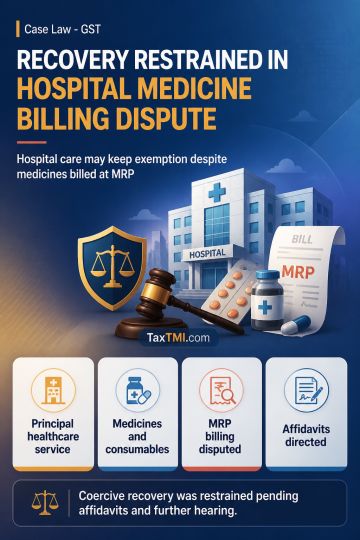
Composite inpatient healthcare supply may retain exemption despite MRP medicine billing, while separate taxable sale characterisation remains disputed...
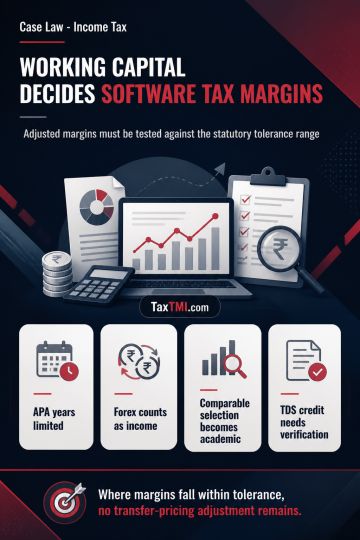
Working-capital adjustment determines whether software-services transfer-pricing margins fall within the statutory tolerance range, eliminating any ad...
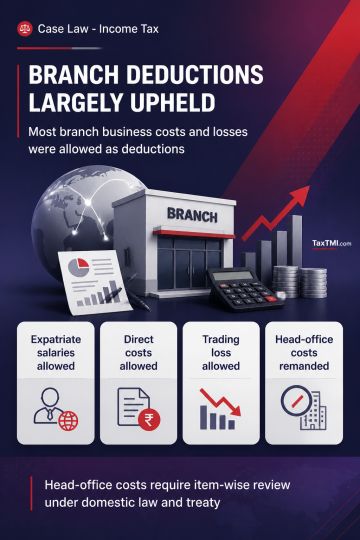
Permanent establishment deductions upheld for expatriate salaries, direct costs and trading losses, while head-office costs require fresh classificati...
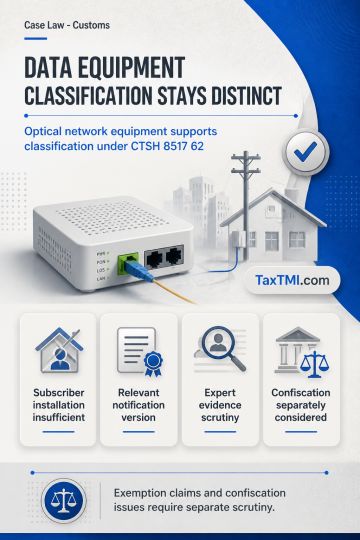
Data transmission equipment classification under CTSH 8517 62 remains distinct from residual classification, with exemption evidence requiring scrutin...
Regular bail was granted in an economic offence involving alleged fraudulent availment of input tax credit under the CGST Act because the prosecution's case rested mainly on documentary material already in its possession. The investigation was found to be substantially complete, and no further custodial interrogation was shown to be necessary. The court also noted that the alleged offence carried a maximum punishment of five years, was compoundable, and that no specific risk of tampering with evidence or influencing witnesses was demonstrated, especially where the evidence was largely documentary. Bail was therefore allowed on bond and surety terms.
Regular bail was granted in an economic offence involving alleged fraudulent availment of input tax credit under the CGST Act because the prosecution's case rested mainly on documentary material already in its possession. The investigation was found to be substantially complete, and no further custodial interrogation was shown to be necessary. The court also noted that the alleged offence carried a maximum punishment of five years, was compoundable, and that no specific risk of tampering with evidence or influencing witnesses was demonstrated, especially where the evidence was largely documentary. Bail was therefore allowed on bond and surety terms.
Note: It is a system-generated summary and is for quick reference only.
 TaxTMI
  TaxTMI
 of 4821





 Join Channel