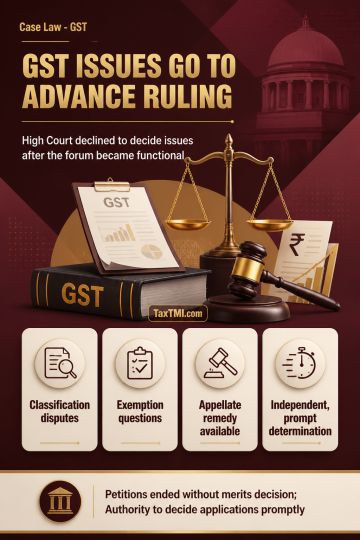
Advance-ruling mechanism governs pending GST classification, exemption and taxability disputes, limiting writ review once the specialised forum functi...
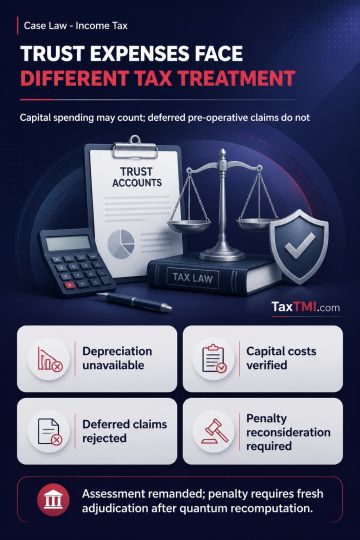
Charitable trust income application permits verified capital expenditure but rejects deferred pre-operative claims and requires reconsideration of con...
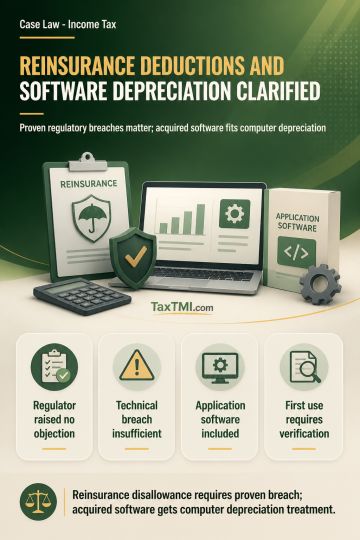
Reinsurance premium deductions require established regulatory breaches, while independently acquired software qualifies within the computer depreciati...
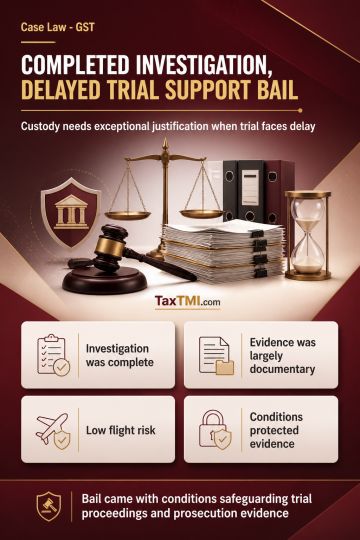
Regular bail was granted in an economic offence involving alleged fraudulent availment of input tax credit under the CGST Act because the prosecution's case rested mainly on documentary material already in its possession. The investigation was found to be substantially complete, and no further custodial interrogation was shown to be necessary. The court also noted that the alleged offence carried a maximum punishment of five years, was compoundable, and that no specific risk of tampering with evidence or influencing witnesses was demonstrated, especially where the evidence was largely documentary. Bail was therefore allowed on bond and surety terms.
Regular bail was granted in an economic offence involving alleged fraudulent availment of input tax credit under the CGST Act because the prosecution's case rested mainly on documentary material already in its possession. The investigation was found to be substantially complete, and no further custodial interrogation was shown to be necessary. The court also noted that the alleged offence carried a maximum punishment of five years, was compoundable, and that no specific risk of tampering with evidence or influencing witnesses was demonstrated, especially where the evidence was largely documentary. Bail was therefore allowed on bond and surety terms.
Note: It is a system-generated summary and is for quick reference only.
 TaxTMI
  TaxTMI
 of 4823










 Join Channel


