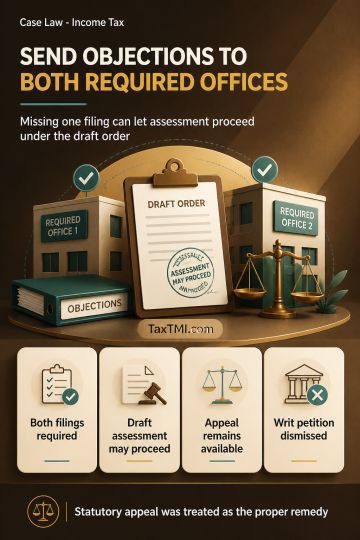
Dispute Resolution Panel objections must reach both prescribed forums; otherwise assessment may proceed and statutory appeal remains the proper remedy...
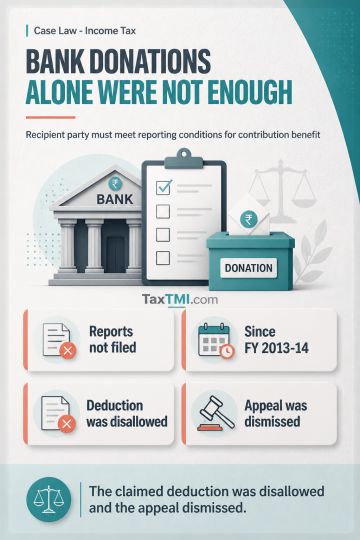
Political contribution deductions require recipient party compliance with contribution-reporting conditions; banking-channel donations alone do not qu...
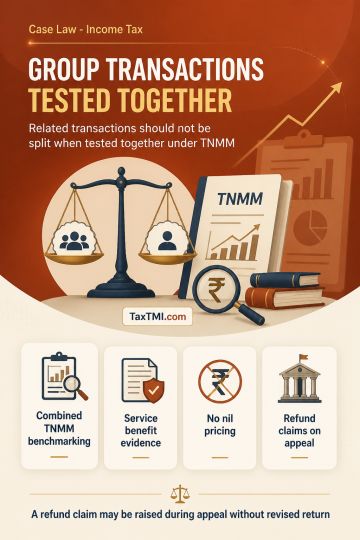
Aggregation under TNMM prevents selective testing of intra-group services without comparable uncontrolled transactions, while appellate additional cla...
Protective assessment cannot duplicate identical receipts under competing characterisations; remote services did not establish a taxable permanent est...
Regular bail was granted in an economic offence involving alleged fraudulent availment of input tax credit under the CGST Act because the prosecution's case rested mainly on documentary material already in its possession. The investigation was found to be substantially complete, and no further custodial interrogation was shown to be necessary. The court also noted that the alleged offence carried a maximum punishment of five years, was compoundable, and that no specific risk of tampering with evidence or influencing witnesses was demonstrated, especially where the evidence was largely documentary. Bail was therefore allowed on bond and surety terms.
Regular bail was granted in an economic offence involving alleged fraudulent availment of input tax credit under the CGST Act because the prosecution's case rested mainly on documentary material already in its possession. The investigation was found to be substantially complete, and no further custodial interrogation was shown to be necessary. The court also noted that the alleged offence carried a maximum punishment of five years, was compoundable, and that no specific risk of tampering with evidence or influencing witnesses was demonstrated, especially where the evidence was largely documentary. Bail was therefore allowed on bond and surety terms.
Note: It is a system-generated summary and is for quick reference only.
 TaxTMI
  TaxTMI
 of 4826








 Join Channel