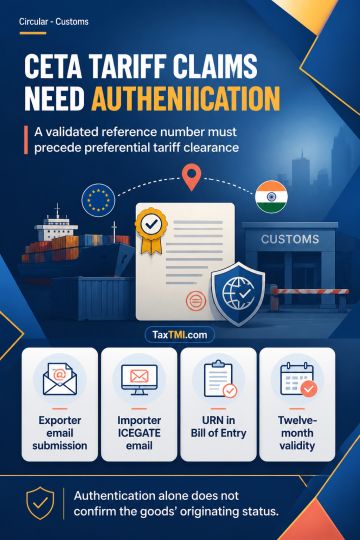
Origin Declaration authentication governs preferential tariff claims under India-UK CETA, requiring a validated reference number before import clearan...
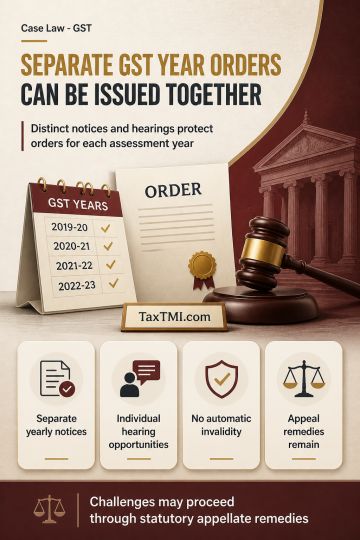
Separate assessment orders for different years remain valid when distinct notices and hearing opportunities prevent prejudice from combined proceeding...
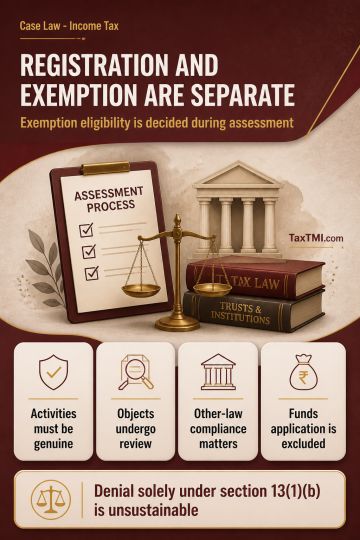
Defined public benefit can retain charitable character; registration renewal requires examining genuine activities and legal compliance, not surplus a...
Capital reduction is distinct from share buy-back, preventing buy-back tax; restructuring interest and related business deductions also survive scruti...
Extended period of limitation under customs and IGST law is available only where suppression, wilful misstatement, collusion or fraud is established. Here, the Tribunal found that the Bill of Entry disclosed the classification, notification number, serial number and applied IGST rate, and treated the dispute as one of interpretation over the applicable IGST rate rather than concealment. It also held the matter revenue neutral because the importer could avail input tax credit of any additional IGST paid. The demand was therefore held time-barred and unsustainable, without examining the merits of the IGST rate.
Extended period of limitation under customs and IGST law is available only where suppression, wilful misstatement, collusion or fraud is established. Here, the Tribunal found that the Bill of Entry disclosed the classification, notification number, serial number and applied IGST rate, and treated the dispute as one of interpretation over the applicable IGST rate rather than concealment. It also held the matter revenue neutral because the importer could avail input tax credit of any additional IGST paid. The demand was therefore held time-barred and unsustainable, without examining the merits of the IGST rate.
Note: It is a system-generated summary and is for quick reference only.
 TaxTMI
  TaxTMI
 of 4821













 Join Channel




