Arrest safeguards and transit remand requirements invalidated detention following inter-State transfer without communicated grounds or magistrate auth...
Arrest safeguards require disclosed grounds, relative intimation and transit remand, while duplicate prosecution under the CGST framework is unsustain...
Document Identification Number defects can invalidate GST assessments, with delayed challenges entertained conditionally where patent irregularities e...
Windmill commissioning evidence supported higher depreciation where grid connection and electricity generation proved operational use before the relev...
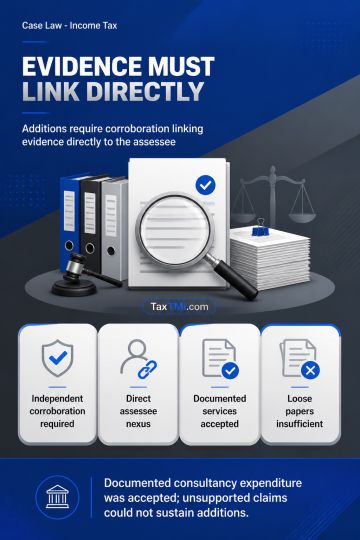
Pharmaceutical promotion and transfer-pricing comparability principles limited disallowances, while uncorroborated search allegations and unsupported ...
Service of GST orders through the common portal is legally valid under Sections 169 and 146 of the CGST Act, and a belated writ challenge based on alleged non-communication cannot be entertained nearly three years later. The High Court upheld dismissal of the writ petition on delay and laches, noting that the appellant had an available statutory appellate remedy. It further held that any such remedy must be pursued in accordance with the statutory scheme, including limitation, and no separate protective order was warranted. The appellant was left free to seek the statutory remedy subject to law.
Service of GST orders through the common portal is legally valid under Sections 169 and 146 of the CGST Act, and a belated writ challenge based on alleged non-communication cannot be entertained nearly three years later. The High Court upheld dismissal of the writ petition on delay and laches, noting that the appellant had an available statutory appellate remedy. It further held that any such remedy must be pursued in accordance with the statutory scheme, including limitation, and no separate protective order was warranted. The appellant was left free to seek the statutory remedy subject to law.
Note: It is a system-generated summary and is for quick reference only.
 TaxTMI
  TaxTMI
 of 4827


















 Join Channel


