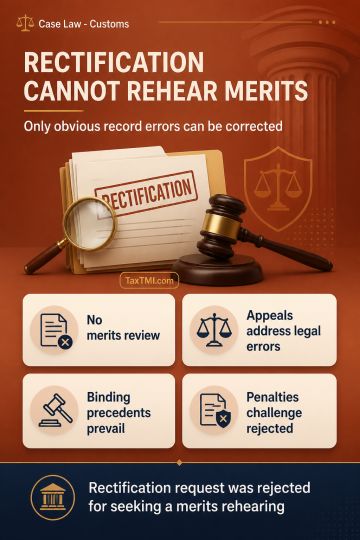
Rectification of mistake remains limited to self-evident record errors, preventing merits review through miscellaneous applications and preserving fin...
Tender creditworthiness conditions may extend to de facto Promoter Directors, with post-participation challenges generally barred absent arbitrariness...
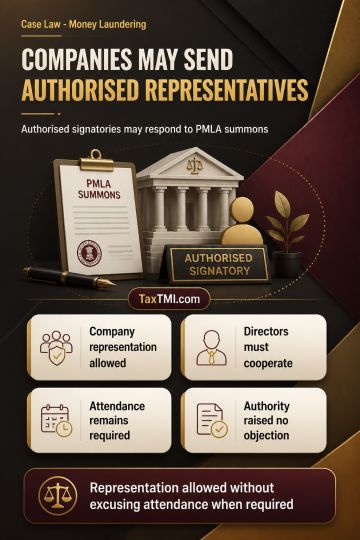
Corporate representation in PMLA summons proceedings permitted through an authorised signatory, subject to directors' continuing cooperation and atten...
Helicopter charter classification requires effective control analysis, while territorial performance, reasoned credit orders and wilful suppression de...
Specified fund definition expands PAN exemption eligibility for registered alternative investment funds and qualifying International Financial Service...
Tax exemption for specified legal-services authority income applies retrospectively, subject to non-commercial activity, unchanged income sources, and...
Revenue records prevailed over guideline-value entries in determining whether the land was agricultural, and clear evidence of agricultural classification and activity required exclusion of the land from the definition of capital asset for capital gains tax. The HC held that the Tribunal and first appellate authority misread the material, ignored revenue records, sale deeds, photographs and agricultural income evidence, and wrongly treated the land as non-agricultural; that finding was reversed in favour of the assessee. The Court also held that the Tribunal had jurisdiction to revisit the assessments and entertain appeals from both sides, so its competence was upheld even though its merits reasoning was disapproved.
Revenue records prevailed over guideline-value entries in determining whether the land was agricultural, and clear evidence of agricultural classification and activity required exclusion of the land from the definition of capital asset for capital gains tax. The HC held that the Tribunal and first appellate authority misread the material, ignored revenue records, sale deeds, photographs and agricultural income evidence, and wrongly treated the land as non-agricultural; that finding was reversed in favour of the assessee. The Court also held that the Tribunal had jurisdiction to revisit the assessments and entertain appeals from both sides, so its competence was upheld even though its merits reasoning was disapproved.
Note: It is a system-generated summary and is for quick reference only.
 TaxTMI
  TaxTMI
 of 4819

















 Join Channel