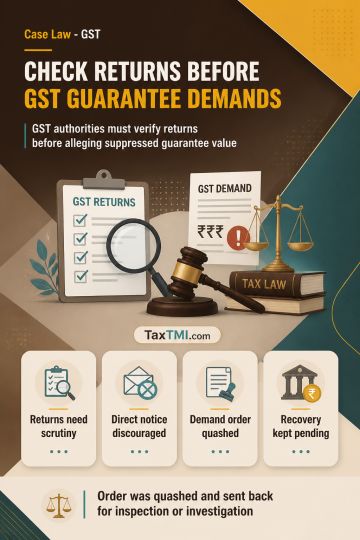
Transaction value rejection requires reliable corroboration; refundable VAT is excluded and temporary registration does not defeat new-vehicle exempti...
Appellate jurisdiction remains available where a wrist-worn gold ornament cannot conclusively be characterised as imported baggage at the preliminary ...
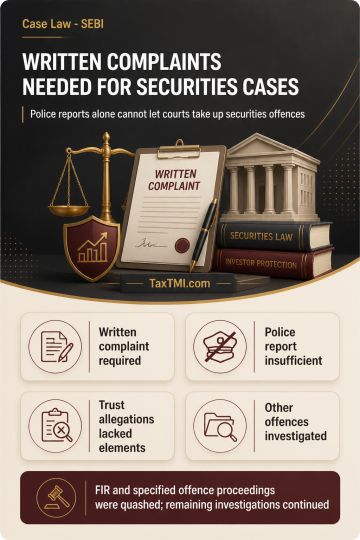
Written complaint requirement bars cognizance on police reports for securities offences, while unsupported breach of trust and cheating allegations fa...
Risk-based postal import clearance standardises electronic assessment, document requests, duty realisation and delivery controls at Foreign Post Offic...
Customs Cargo Service Provider appointment extends custodianship to additional terminal land, subject to cargo-control, security and licence condition...
Bid-rigging was proved by direct and circumstantial email evidence showing coordinated bidding, allocation of shares, tender distribution, price discussions, bid withdrawal directions and continued receipt of cartel communications without dissociation; contravention under Sections 3(1) and 3(3)(a) to (d) was therefore affirmed. Once cartel conduct was established, the presumption of appreciable adverse effect on competition applied and was not rebutted; reliance on Rajasthan Cylinder was distinguished. The partner's liability under Section 48 was upheld, and penalty based on average income at the same rate as the firm was held proper. Challenges based on vacancy in composition and denial of cross-examination failed, and both appeals were dismissed.
Bid-rigging was proved by direct and circumstantial email evidence showing coordinated bidding, allocation of shares, tender distribution, price discussions, bid withdrawal directions and continued receipt of cartel communications without dissociation; contravention under Sections 3(1) and 3(3)(a) to (d) was therefore affirmed. Once cartel conduct was established, the presumption of appreciable adverse effect on competition applied and was not rebutted; reliance on Rajasthan Cylinder was distinguished. The partner's liability under Section 48 was upheld, and penalty based on average income at the same rate as the firm was held proper. Challenges based on vacancy in composition and denial of cross-examination failed, and both appeals were dismissed.
Note: It is a system-generated summary and is for quick reference only.
 TaxTMI
  TaxTMI
 of 4826












 Join Channel