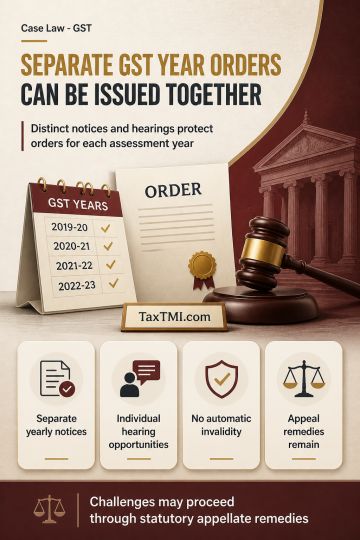
Separate assessment orders for different years remain valid when distinct notices and hearing opportunities prevent prejudice from combined proceeding...
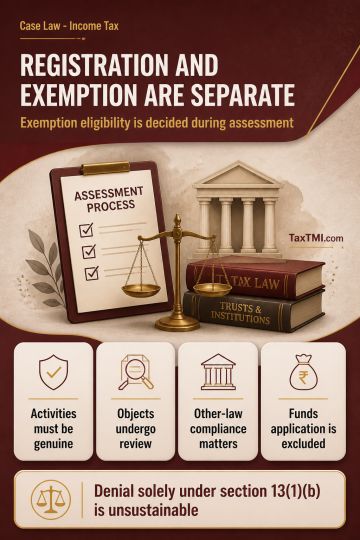
Defined public benefit can retain charitable character; registration renewal requires examining genuine activities and legal compliance, not surplus a...
Capital reduction is distinct from share buy-back, preventing buy-back tax; restructuring interest and related business deductions also survive scruti...
Transfer pricing and tax deductions upheld on established principles, while employee contributions and warranty provisions returned for fresh examinat...
Maintainability of an appeal depended on the power the tribunal purported to exercise, so a challenge to an order moved and dealt with under Section 17 was examinable under Section 37(2)(b), though the order was not a routine joinder order. On merits, the tribunal correctly preserved the parties' positions by allowing the same person already connected to the arbitration to participate also as trustee, pending the unresolved issue whether he had ceased to be a partner. The Court distinguished legal ownership from beneficial enjoyment, noted that a trust is not a separate legal entity, and found no perversity or error of law. The petition was rejected.
Maintainability of an appeal depended on the power the tribunal purported to exercise, so a challenge to an order moved and dealt with under Section 17 was examinable under Section 37(2)(b), though the order was not a routine joinder order. On merits, the tribunal correctly preserved the parties' positions by allowing the same person already connected to the arbitration to participate also as trustee, pending the unresolved issue whether he had ceased to be a partner. The Court distinguished legal ownership from beneficial enjoyment, noted that a trust is not a separate legal entity, and found no perversity or error of law. The petition was rejected.
Note: It is a system-generated summary and is for quick reference only.
 TaxTMI
  TaxTMI
 of 4819
















 Join Channel


