Customs Broker licence lending for consideration justified revocation where exporter authorisation and client verification obligations were also breac...
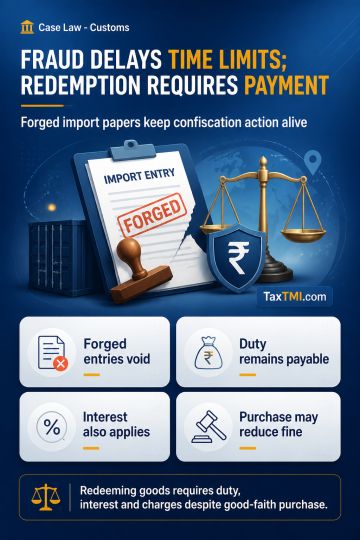
Fraudulent import documents suspend limitation protection, while redemption of confiscated goods requires duty and interest despite bona fide purchase...
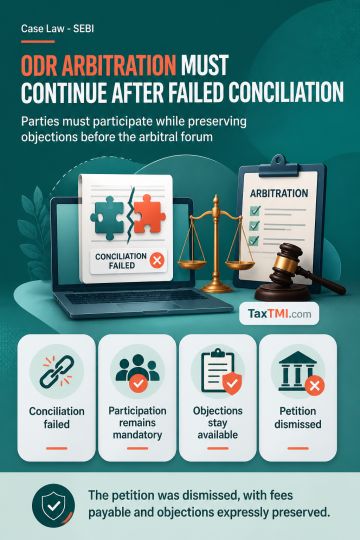
ODR arbitration participation remains mandatory after failed conciliation, while jurisdictional and maintainability objections stay available before t...
Transparency in technical bid evaluation requires disclosed standards and recorded reasons; opaque scoring invalidated tender awards and required fres...
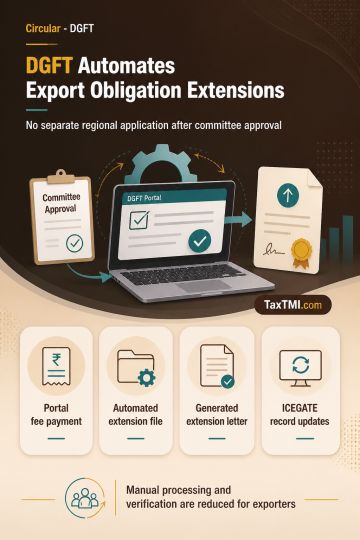
Automated export obligation extensions remove separate regional applications after committee approval for Advance Authorisation and EPCG authorisation...
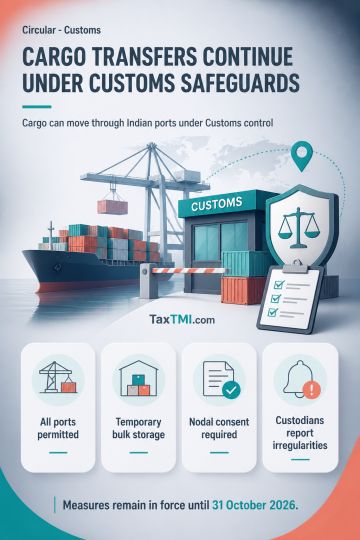
International cargo transhipment through Indian ports continues with Customs-controlled storage, re-export safeguards, and coordinated multi-station m...
Section 3(2) of the Foreign Trade (Development and Regulation) Act, 1992 empowers the Central Government to prohibit, restrict or otherwise regulate imports by Gazette order, and section 5 permits amendment of foreign trade policy. On that basis, a notification fixing a Minimum Import Price for roasted areca nut was within statutory competence. The notification was also treated as consistent with the ASEAN and WTO framework because it operated as a non-tariff safeguard for agricultural products, fixed only a trigger price, and did not impose a quantitative import cap. Importers could not avoid the MIP condition by relying on nil-duty eligibility under Notification No. 46/2011.
Section 3(2) of the Foreign Trade (Development and Regulation) Act, 1992 empowers the Central Government to prohibit, restrict or otherwise regulate imports by Gazette order, and section 5 permits amendment of foreign trade policy. On that basis, a notification fixing a Minimum Import Price for roasted areca nut was within statutory competence. The notification was also treated as consistent with the ASEAN and WTO framework because it operated as a non-tariff safeguard for agricultural products, fixed only a trigger price, and did not impose a quantitative import cap. Importers could not avoid the MIP condition by relying on nil-duty eligibility under Notification No. 46/2011.
Note: It is a system-generated summary and is for quick reference only.
 TaxTMI
  TaxTMI
 of 4826












 Join Channel