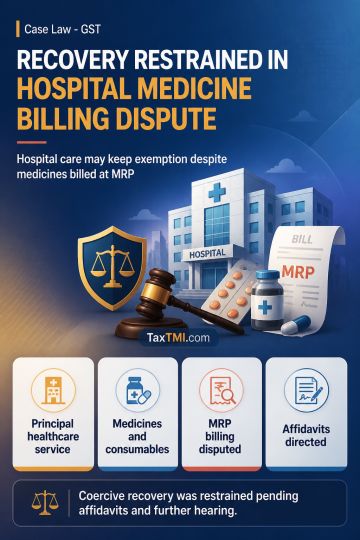
Composite inpatient healthcare supply may retain exemption despite MRP medicine billing, while separate taxable sale characterisation remains disputed...
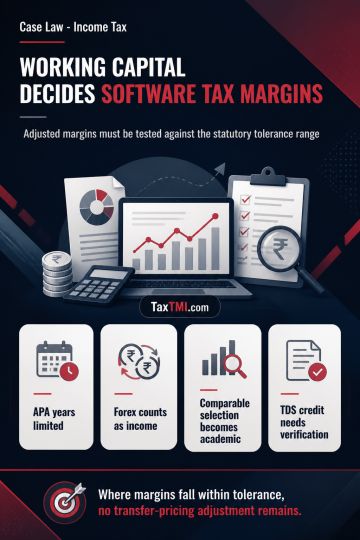
Working-capital adjustment determines whether software-services transfer-pricing margins fall within the statutory tolerance range, eliminating any ad...
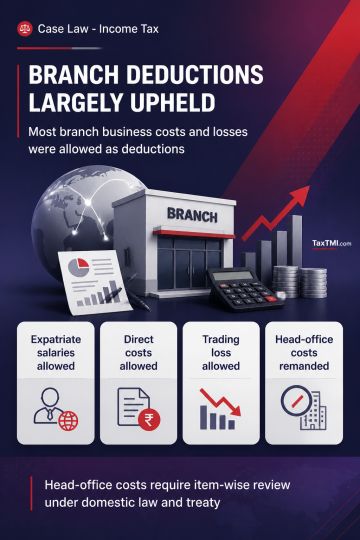
Permanent establishment deductions upheld for expatriate salaries, direct costs and trading losses, while head-office costs require fresh classificati...
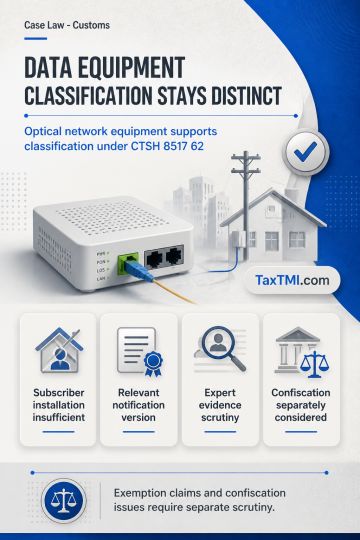
Data transmission equipment classification under CTSH 8517 62 remains distinct from residual classification, with exemption evidence requiring scrutin...
CESTAT reiterated that the extended period of limitation could not be invoked where the department already knew of the exports and MEIS benefit claims from an earlier show cause notice on the same products and period; suppression and wilful misstatement were therefore not made out. It also held that customs could not deny or recover MEIS benefits while the scrips remained uncancelled, since DGFT had not completed cancellation proceedings. On both limitation and merits, the impugned demand and recovery action were unsustainable, and the appeal was allowed with consequential relief.
CESTAT reiterated that the extended period of limitation could not be invoked where the department already knew of the exports and MEIS benefit claims from an earlier show cause notice on the same products and period; suppression and wilful misstatement were therefore not made out. It also held that customs could not deny or recover MEIS benefits while the scrips remained uncancelled, since DGFT had not completed cancellation proceedings. On both limitation and merits, the impugned demand and recovery action were unsustainable, and the appeal was allowed with consequential relief.
Note: It is a system-generated summary and is for quick reference only.
 TaxTMI
 of 4803







 Join Channel


 TaxTMI
