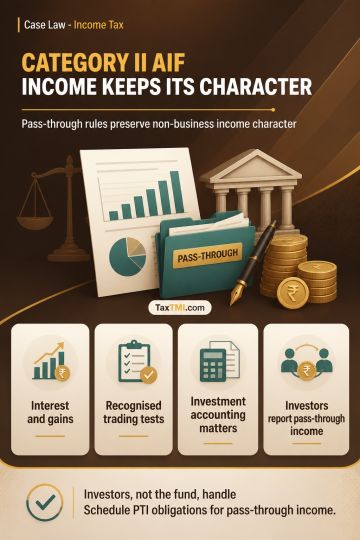
Category II AIF pass-through taxation preserves non-business income character; investment receipts cannot be reclassified without applying recognised ...
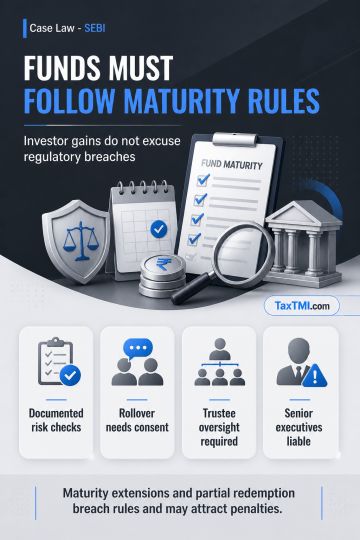
Mutual fund maturity rules require proper rollover, redemption, disclosure, and due diligence; investor gains cannot excuse regulatory breaches or pen...
Threshold exemption excludes exempt services, while stamp-paper purchases avoid reverse charge; consequential service tax penalties were also set asid...
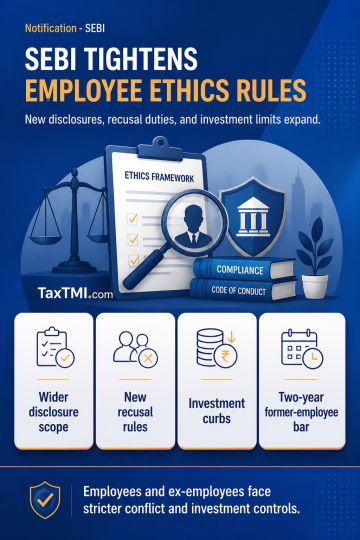
Employee conflict disclosures and investment restrictions expand with new recusal duties, post-employment limits, and compliance reporting requirement...
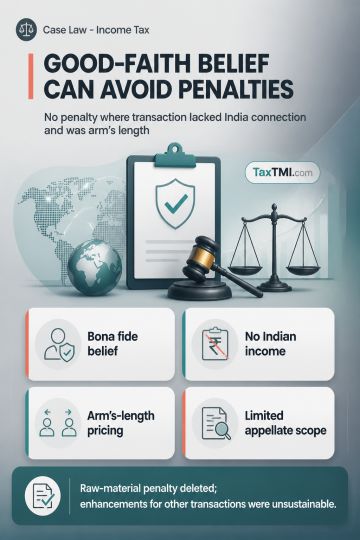
Penalty under Section 271(1)(c) was sustained because the assessee's non-disclosure of capital gains was found to be neither bona fide nor based on a plausible exemption claim. The Court held that the relevant test is whether the omission to disclose taxable income was a genuine mistake or was intended to avoid tax. On the facts, the shares were in an unlisted company, the claimed exemption was not established, the return omitted taxable income while seeking a refund, and the income surfaced only on scrutiny. The conduct was therefore treated as furnishing inaccurate particulars with intent to evade tax, and the appeal was dismissed.
Penalty under Section 271(1)(c) was sustained because the assessee's non-disclosure of capital gains was found to be neither bona fide nor based on a plausible exemption claim. The Court held that the relevant test is whether the omission to disclose taxable income was a genuine mistake or was intended to avoid tax. On the facts, the shares were in an unlisted company, the claimed exemption was not established, the return omitted taxable income while seeking a refund, and the income surfaced only on scrutiny. The conduct was therefore treated as furnishing inaccurate particulars with intent to evade tax, and the appeal was dismissed.
Note: It is a system-generated summary and is for quick reference only.
 TaxTMI
  TaxTMI
 of 4819













 Join Channel


