Make-available condition excludes standard SaaS subscription receipts where customers receive no independently usable technical knowledge after subscr...
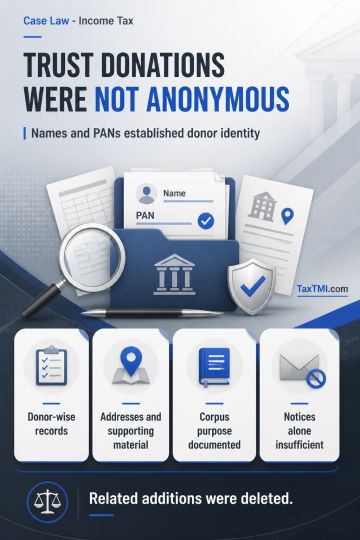
Anonymous donation classification fails where charitable trusts maintain undisputed donor identity records and evidence corpus contributions' intended...
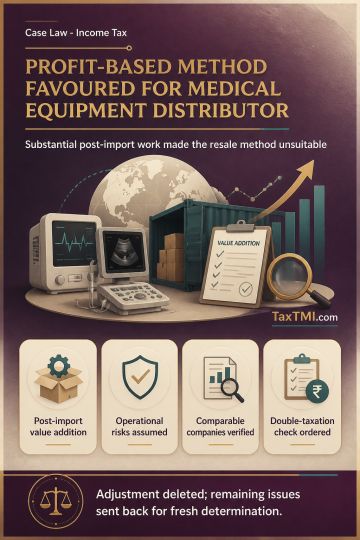
Transfer pricing method selection favours TNMM where medical-equipment distribution involves substantial post-import value addition and operational ri...
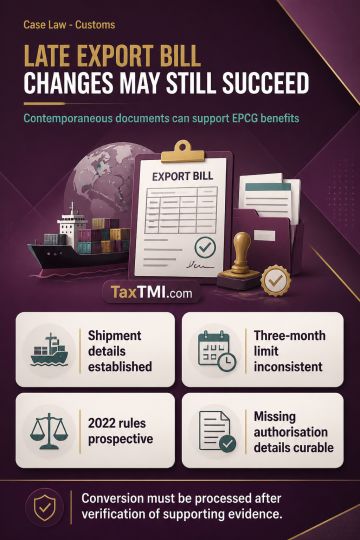
Post-export shipping bill conversion remains available where contemporaneous evidence supports EPCG benefits despite curable procedural omissions and ...
Penalty under Section 271(1)(c) was sustained because the assessee's non-disclosure of capital gains was found to be neither bona fide nor based on a plausible exemption claim. The Court held that the relevant test is whether the omission to disclose taxable income was a genuine mistake or was intended to avoid tax. On the facts, the shares were in an unlisted company, the claimed exemption was not established, the return omitted taxable income while seeking a refund, and the income surfaced only on scrutiny. The conduct was therefore treated as furnishing inaccurate particulars with intent to evade tax, and the appeal was dismissed.
Penalty under Section 271(1)(c) was sustained because the assessee's non-disclosure of capital gains was found to be neither bona fide nor based on a plausible exemption claim. The Court held that the relevant test is whether the omission to disclose taxable income was a genuine mistake or was intended to avoid tax. On the facts, the shares were in an unlisted company, the claimed exemption was not established, the return omitted taxable income while seeking a refund, and the income surfaced only on scrutiny. The conduct was therefore treated as furnishing inaccurate particulars with intent to evade tax, and the appeal was dismissed.
Note: It is a system-generated summary and is for quick reference only.
 TaxTMI
  TaxTMI
 of 4824



















 Join Channel


