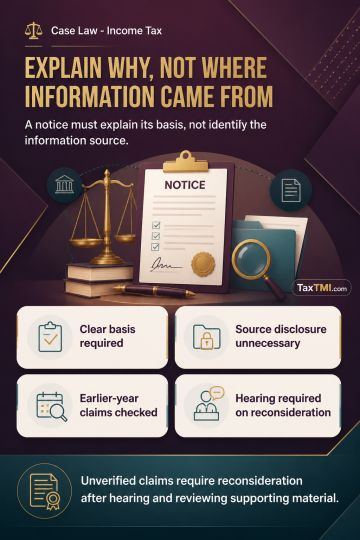
Reassessment disclosure requirements permit stated reasons without revealing information sources, but prior-taxation claims require full examination b...
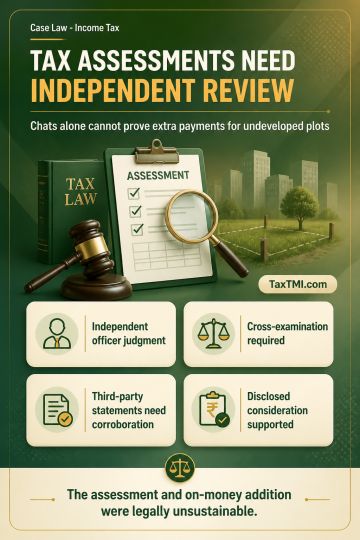
Independent assessment discretion and corroborated electronic evidence determine validity of on-money additions and undisclosed-consideration assessme...
Penalty under Section 271(1)(c) was sustained because the assessee's non-disclosure of capital gains was found to be neither bona fide nor based on a plausible exemption claim. The Court held that the relevant test is whether the omission to disclose taxable income was a genuine mistake or was intended to avoid tax. On the facts, the shares were in an unlisted company, the claimed exemption was not established, the return omitted taxable income while seeking a refund, and the income surfaced only on scrutiny. The conduct was therefore treated as furnishing inaccurate particulars with intent to evade tax, and the appeal was dismissed.
Penalty under Section 271(1)(c) was sustained because the assessee's non-disclosure of capital gains was found to be neither bona fide nor based on a plausible exemption claim. The Court held that the relevant test is whether the omission to disclose taxable income was a genuine mistake or was intended to avoid tax. On the facts, the shares were in an unlisted company, the claimed exemption was not established, the return omitted taxable income while seeking a refund, and the income surfaced only on scrutiny. The conduct was therefore treated as furnishing inaccurate particulars with intent to evade tax, and the appeal was dismissed.
Note: It is a system-generated summary and is for quick reference only.
 TaxTMI
  TaxTMI
 of 4826











 Join Channel


