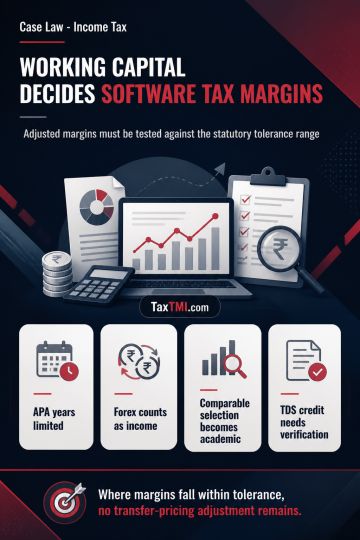
Working-capital adjustment determines whether software-services transfer-pricing margins fall within the statutory tolerance range, eliminating any ad...
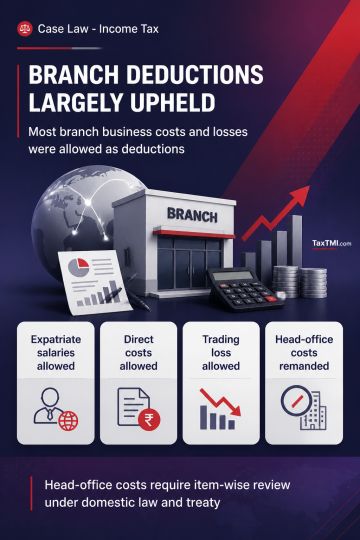
Permanent establishment deductions upheld for expatriate salaries, direct costs and trading losses, while head-office costs require fresh classificati...
Data transmission equipment classification under CTSH 8517 62 remains distinct from residual classification, with exemption evidence requiring scrutin...
Refund of duty on export goods was held barred by the doctrine of unjust enrichment where the exporter realised export proceeds above the FOB value declared in the shipping bill. The Tribunal applied the statutory bar and required proof that the duty incidence had not been passed on. As no cogent financial correlation or satisfactory explanation was produced to show that the excess realisation excluded the refund component, and the chartered accountant's certificate did not address this point, a presumption arose that the burden had been passed on. The refund sanction was therefore unsustainable and rejection of the claim was upheld.
Refund of duty on export goods was held barred by the doctrine of unjust enrichment where the exporter realised export proceeds above the FOB value declared in the shipping bill. The Tribunal applied the statutory bar and required proof that the duty incidence had not been passed on. As no cogent financial correlation or satisfactory explanation was produced to show that the excess realisation excluded the refund component, and the chartered accountant's certificate did not address this point, a presumption arose that the burden had been passed on. The refund sanction was therefore unsustainable and rejection of the claim was upheld.
Note: It is a system-generated summary and is for quick reference only.
 TaxTMI
  TaxTMI
 of 4824



















 Join Channel