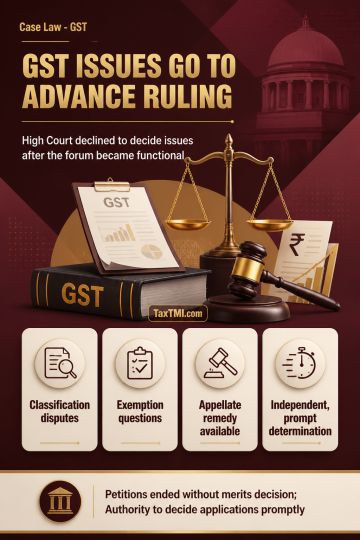
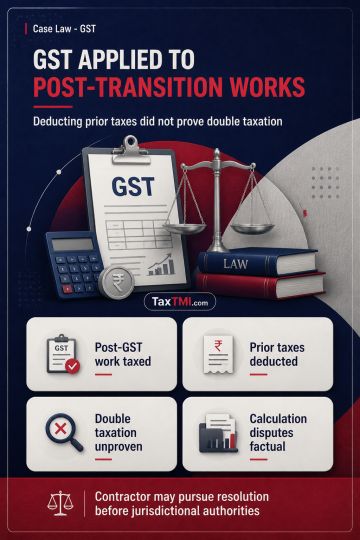
Advance-ruling mechanism governs pending GST classification, exemption and taxability disputes, limiting writ review once the specialised forum functi...
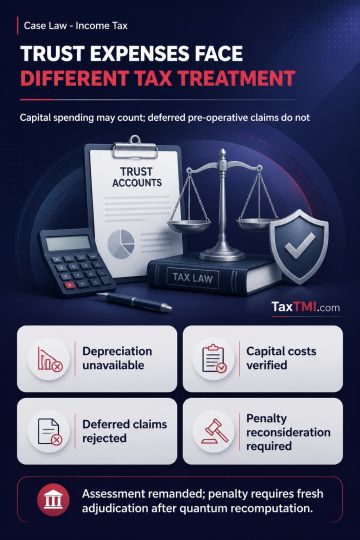
Charitable trust income application permits verified capital expenditure but rejects deferred pre-operative claims and requires reconsideration of con...
Reinsurance premium deductions require established regulatory breaches, while independently acquired software qualifies within the computer depreciati...
Penalty under section 271(1)(c) turns on the assessee's intention: an inadvertent or unintentional omission does not attract penalty, but a conscious non-disclosure or false exemption claim constitutes concealment and furnishing of inaccurate particulars. On the facts, the assessee had paid advance tax on the capital gains yet claimed exemption in the return and sought a refund, which the Court treated as a deliberate attempt to avoid tax discovered on scrutiny. The explanation of a typographical error in the Chartered Accountant's computation was rejected, and the cited advance ruling was held inapplicable on its different facts. The Tribunal's restoration of penalty was upheld and the appeal dismissed.
Penalty under section 271(1)(c) turns on the assessee's intention: an inadvertent or unintentional omission does not attract penalty, but a conscious non-disclosure or false exemption claim constitutes concealment and furnishing of inaccurate particulars. On the facts, the assessee had paid advance tax on the capital gains yet claimed exemption in the return and sought a refund, which the Court treated as a deliberate attempt to avoid tax discovered on scrutiny. The explanation of a typographical error in the Chartered Accountant's computation was rejected, and the cited advance ruling was held inapplicable on its different facts. The Tribunal's restoration of penalty was upheld and the appeal dismissed.
Note: It is a system-generated summary and is for quick reference only.
 TaxTMI
  TaxTMI
 of 4828














 Join Channel


