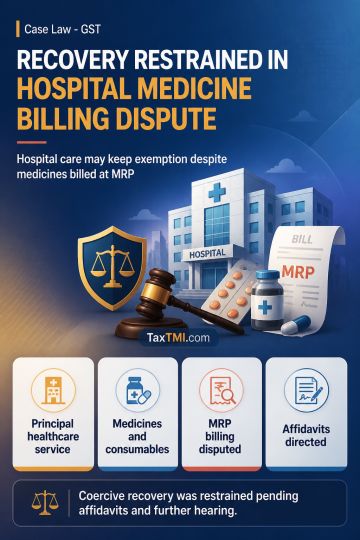
Composite inpatient healthcare supply may retain exemption despite MRP medicine billing, while separate taxable sale characterisation remains disputed...
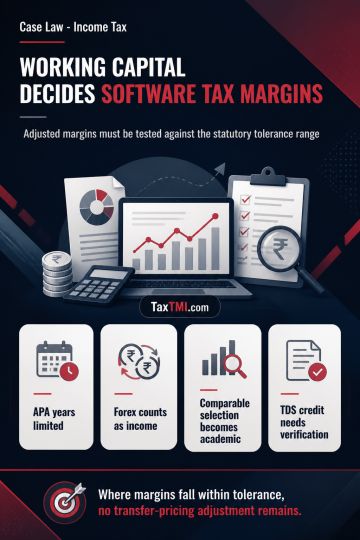
Working-capital adjustment determines whether software-services transfer-pricing margins fall within the statutory tolerance range, eliminating any ad...
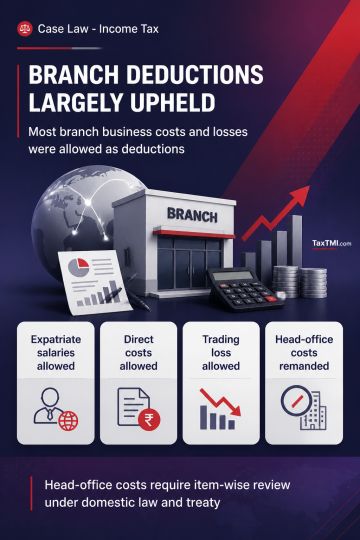
Permanent establishment deductions upheld for expatriate salaries, direct costs and trading losses, while head-office costs require fresh classificati...
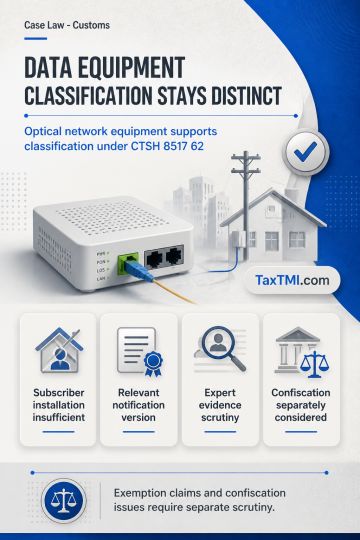
Data transmission equipment classification under CTSH 8517 62 remains distinct from residual classification, with exemption evidence requiring scrutin...
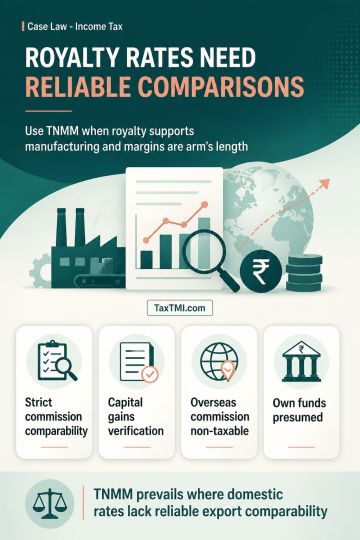
Sections 92 to 92F operate as a self-contained code for arm's length price determination, so RBI or Government approvals for royalty rates do not create any presumption for income-tax purposes. The Court accepted that the assessee's comparability analysis was inadequate and that arm's length pricing required a detailed functional and economic examination, not a bare comparison of royalty percentages. The Tribunal's fixation of royalty at 1% of export sales was treated as a factual finding, with no perversity shown, and the disallowance of excess royalty was upheld. The assessee's acceptance of 1% in later assessment years was only an additional circumstance, not the principal basis of decision, and no substantial question of law arose under Section 260A.
Sections 92 to 92F operate as a self-contained code for arm's length price determination, so RBI or Government approvals for royalty rates do not create any presumption for income-tax purposes. The Court accepted that the assessee's comparability analysis was inadequate and that arm's length pricing required a detailed functional and economic examination, not a bare comparison of royalty percentages. The Tribunal's fixation of royalty at 1% of export sales was treated as a factual finding, with no perversity shown, and the disallowance of excess royalty was upheld. The assessee's acceptance of 1% in later assessment years was only an additional circumstance, not the principal basis of decision, and no substantial question of law arose under Section 260A.
Note: It is a system-generated summary and is for quick reference only.
 TaxTMI
  TaxTMI
 of 4821



 Join Channel