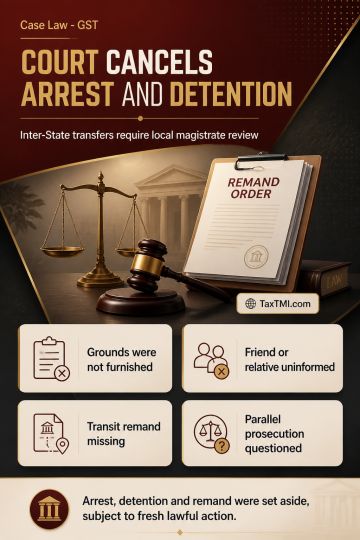
Arrest safeguards and transit remand requirements invalidated detention following inter-State transfer without communicated grounds or magistrate auth...
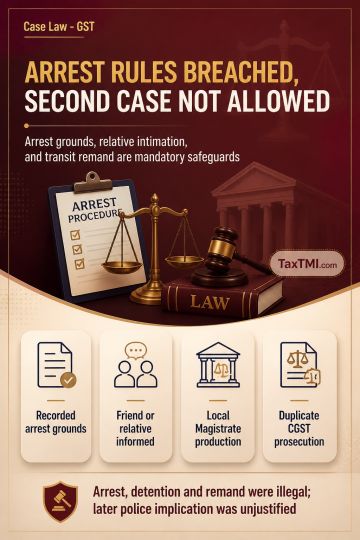
Arrest safeguards require disclosed grounds, relative intimation and transit remand, while duplicate prosecution under the CGST framework is unsustain...
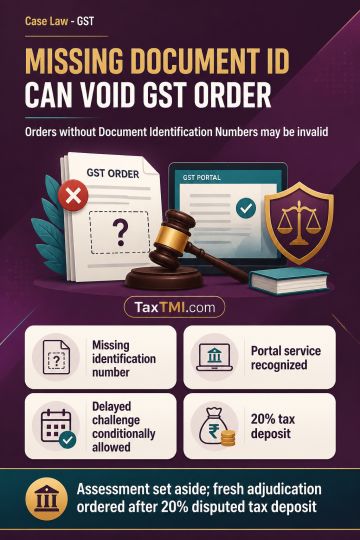
Document Identification Number defects can invalidate GST assessments, with delayed challenges entertained conditionally where patent irregularities e...
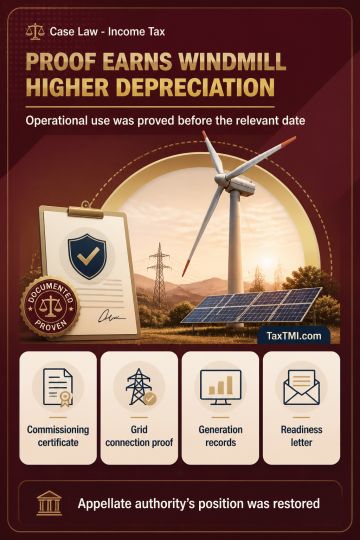
Windmill commissioning evidence supported higher depreciation where grid connection and electricity generation proved operational use before the relev...
Sections 92 to 92F operate as a self-contained code for arm's length price determination, so RBI or Government approvals for royalty rates do not create any presumption for income-tax purposes. The Court accepted that the assessee's comparability analysis was inadequate and that arm's length pricing required a detailed functional and economic examination, not a bare comparison of royalty percentages. The Tribunal's fixation of royalty at 1% of export sales was treated as a factual finding, with no perversity shown, and the disallowance of excess royalty was upheld. The assessee's acceptance of 1% in later assessment years was only an additional circumstance, not the principal basis of decision, and no substantial question of law arose under Section 260A.
Sections 92 to 92F operate as a self-contained code for arm's length price determination, so RBI or Government approvals for royalty rates do not create any presumption for income-tax purposes. The Court accepted that the assessee's comparability analysis was inadequate and that arm's length pricing required a detailed functional and economic examination, not a bare comparison of royalty percentages. The Tribunal's fixation of royalty at 1% of export sales was treated as a factual finding, with no perversity shown, and the disallowance of excess royalty was upheld. The assessee's acceptance of 1% in later assessment years was only an additional circumstance, not the principal basis of decision, and no substantial question of law arose under Section 260A.
Note: It is a system-generated summary and is for quick reference only.
 TaxTMI
  TaxTMI
 of 4824





 Join Channel


