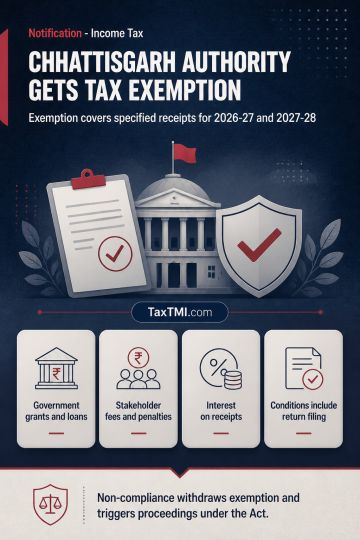
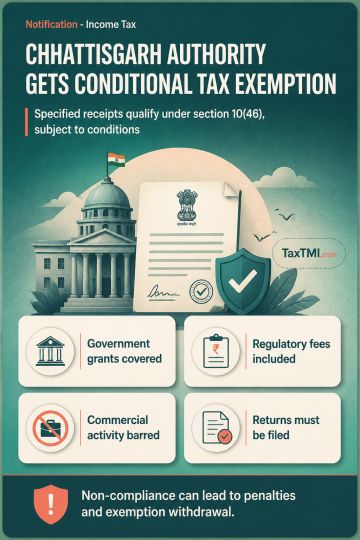
Specified regulatory authority income receives conditional tax exemption, subject to non-commercial activity, unchanged income character, and return f...
Tax exemption for regulatory authority income applies retrospectively, subject to non-commercial activity, unchanged income sources, and return-filing...
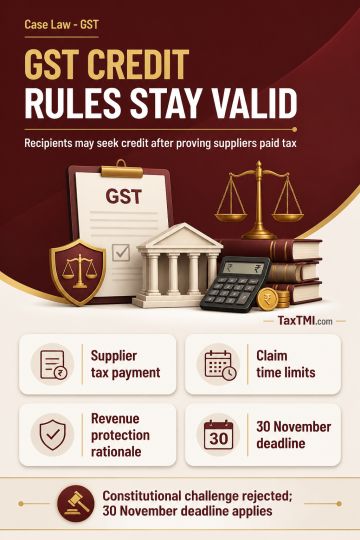
Input tax credit conditions remain constitutionally valid, with eligible recipient claims considered under GST circulars and retrospective filing dead...
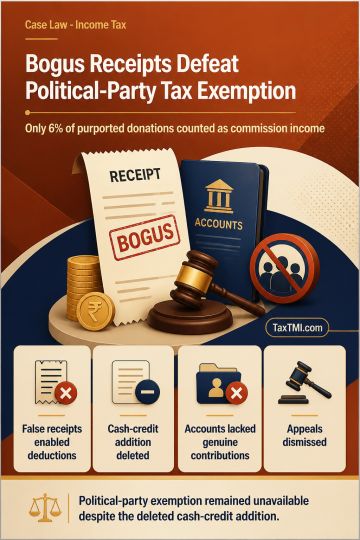
Bogus donation receipts justified commission income assessment and defeated political-party tax exemption for inaccurate accounts and reporting failur...
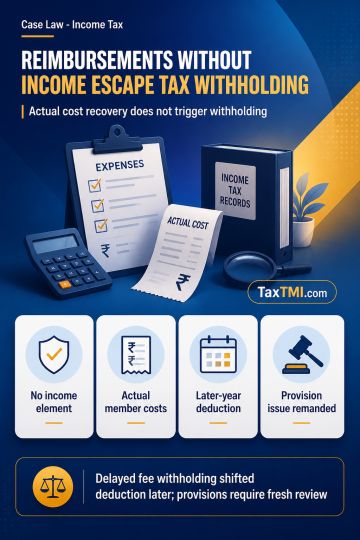
Pure reimbursement without income element escapes tax withholding, while delayed withholding and unsupported provisions face deferred or renewed scrut...
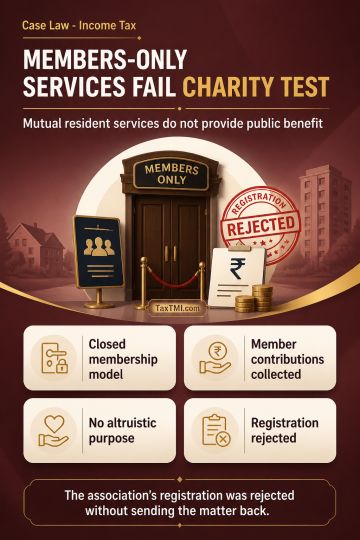
Public benefit requirement defeats charitable registration where residents' association services are reciprocal, member-only facilities governed by mu...
Sections 92 to 92F operate as a self-contained code for arm's length price determination, so RBI or Government approvals for royalty rates do not create any presumption for income-tax purposes. The Court accepted that the assessee's comparability analysis was inadequate and that arm's length pricing required a detailed functional and economic examination, not a bare comparison of royalty percentages. The Tribunal's fixation of royalty at 1% of export sales was treated as a factual finding, with no perversity shown, and the disallowance of excess royalty was upheld. The assessee's acceptance of 1% in later assessment years was only an additional circumstance, not the principal basis of decision, and no substantial question of law arose under Section 260A.
Sections 92 to 92F operate as a self-contained code for arm's length price determination, so RBI or Government approvals for royalty rates do not create any presumption for income-tax purposes. The Court accepted that the assessee's comparability analysis was inadequate and that arm's length pricing required a detailed functional and economic examination, not a bare comparison of royalty percentages. The Tribunal's fixation of royalty at 1% of export sales was treated as a factual finding, with no perversity shown, and the disallowance of excess royalty was upheld. The assessee's acceptance of 1% in later assessment years was only an additional circumstance, not the principal basis of decision, and no substantial question of law arose under Section 260A.
Note: It is a system-generated summary and is for quick reference only.
 TaxTMI
  TaxTMI
 of 4824










 Join Channel


