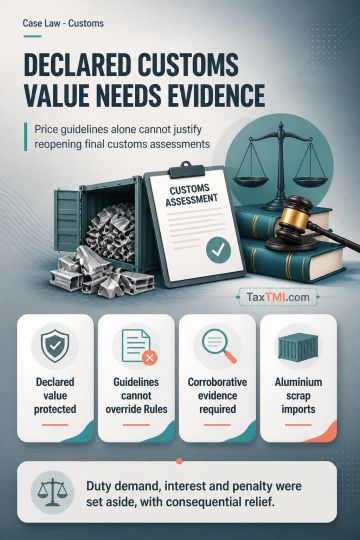
Transaction value cannot be rejected solely on non-statutory valuation guidelines without corroborative evidence supporting reassessment of final cust...
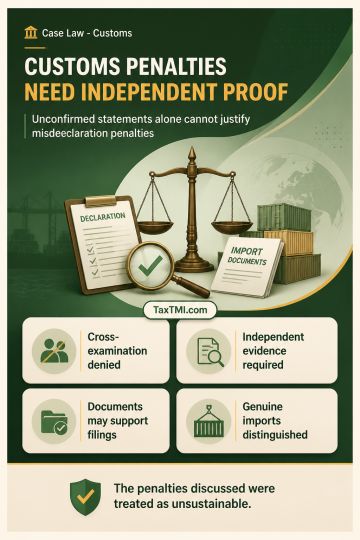
Cross-examination rights and corroborated evidence limit customs penalties for misdeclaration in genuine import transactions involving documented clea...
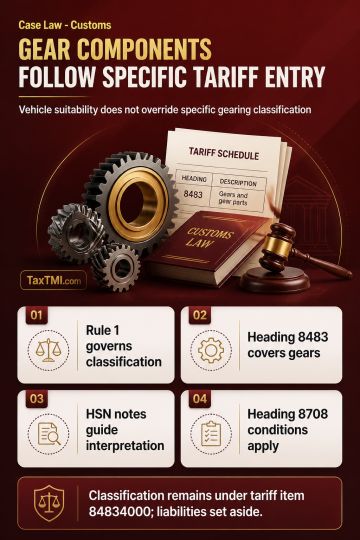
Tariff classification of vehicle gear components follows the specific gearing entry, displacing motor-vehicle parts classification and related liabili...
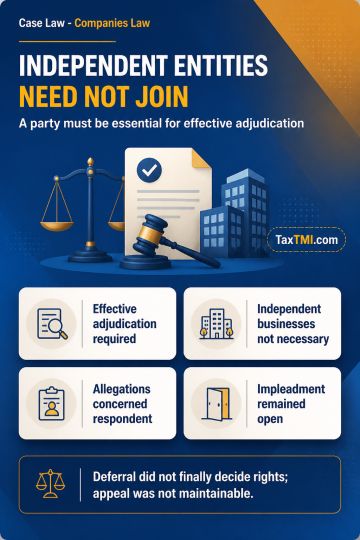
Necessary-party requirements limit impleadment of independent entities, while deferred consideration does not create an appealable adverse determinati...
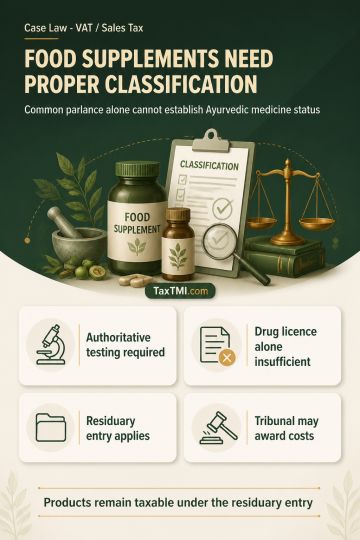
Food supplement classification requires common parlance and authoritative tests, preventing treatment as proprietary Ayurvedic medicines without suppo...
Sections 92 to 92F operate as a self-contained code for arm's length price determination, so RBI or Government approvals for royalty rates do not create any presumption for income-tax purposes. The Court accepted that the assessee's comparability analysis was inadequate and that arm's length pricing required a detailed functional and economic examination, not a bare comparison of royalty percentages. The Tribunal's fixation of royalty at 1% of export sales was treated as a factual finding, with no perversity shown, and the disallowance of excess royalty was upheld. The assessee's acceptance of 1% in later assessment years was only an additional circumstance, not the principal basis of decision, and no substantial question of law arose under Section 260A.
Sections 92 to 92F operate as a self-contained code for arm's length price determination, so RBI or Government approvals for royalty rates do not create any presumption for income-tax purposes. The Court accepted that the assessee's comparability analysis was inadequate and that arm's length pricing required a detailed functional and economic examination, not a bare comparison of royalty percentages. The Tribunal's fixation of royalty at 1% of export sales was treated as a factual finding, with no perversity shown, and the disallowance of excess royalty was upheld. The assessee's acceptance of 1% in later assessment years was only an additional circumstance, not the principal basis of decision, and no substantial question of law arose under Section 260A.
Note: It is a system-generated summary and is for quick reference only.
 TaxTMI
  TaxTMI
 of 4824










 Join Channel


