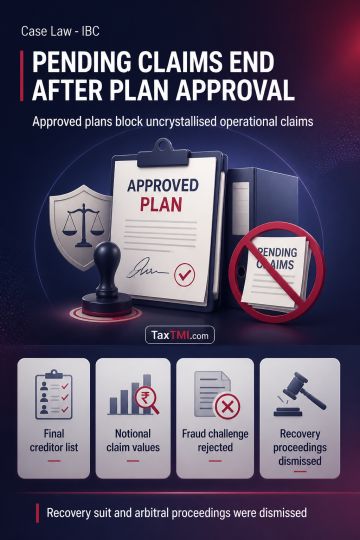
Clean slate principle extinguishes uncrystallised operational claims and bars continuation of pending recovery and arbitral proceedings after plan app...
Works contract classification governs composite layout-development contracts where VAT-paid goods are transferred alongside construction and infrastru...
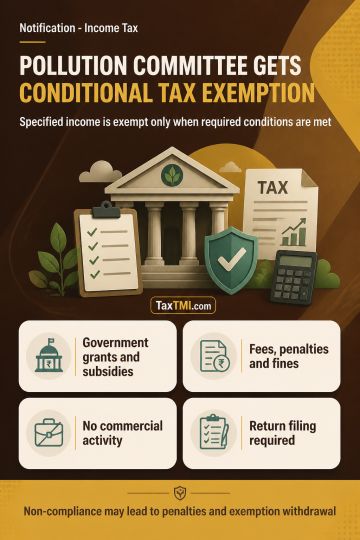
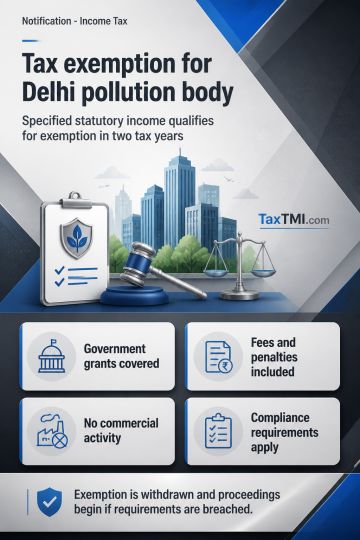
Specified income tax exemption for pollution control body remains conditional on non-commercial activity, unchanged income character, and return filin...
Jurisdictional facts in certificate-of-origin discrepancies can support customs show-cause proceedings, leaving factual explanations for departmental ...
Penalty under section 271D was unsustainable because the Tribunal found that the impugned receipts were made through banking channels by cheque on the dates shown, and the lower authorities had proceeded on an incorrect assumption about the transaction year; once cheque receipts were established, no contravention of section 269SS survived. Penalty under section 271(1)(c) was also not leviable because the loss claim was based on audited accounts and related business expenditure, and mere acceptance of disallowance did not amount to furnishing inaccurate particulars. Applying Reliance Petro Products, the Tribunal deleted both penalties.
Penalty under section 271D was unsustainable because the Tribunal found that the impugned receipts were made through banking channels by cheque on the dates shown, and the lower authorities had proceeded on an incorrect assumption about the transaction year; once cheque receipts were established, no contravention of section 269SS survived. Penalty under section 271(1)(c) was also not leviable because the loss claim was based on audited accounts and related business expenditure, and mere acceptance of disallowance did not amount to furnishing inaccurate particulars. Applying Reliance Petro Products, the Tribunal deleted both penalties.
Note: It is a system-generated summary and is for quick reference only.
 TaxTMI
 of 4807









 Join Channel


 TaxTMI