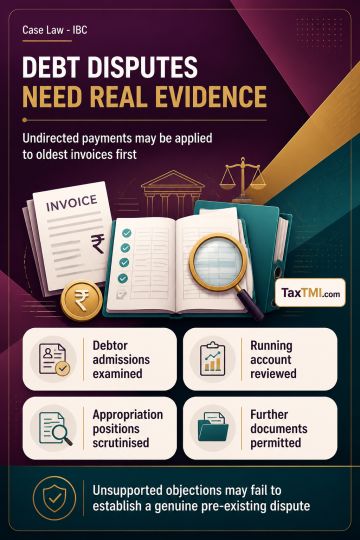
Pre-existing operational debt disputes require genuine evidence, while undirected running-account payments may be appropriated on a first-in-first-out...
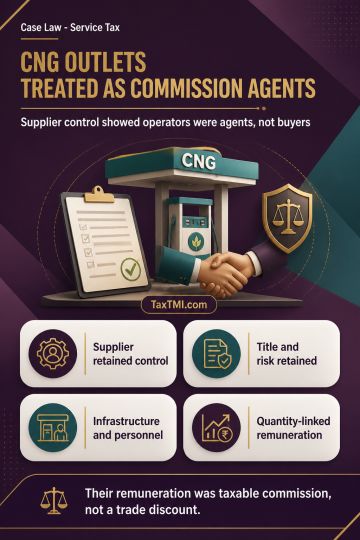
Agency in CNG distribution makes outlet operators commission agents, rendering taxable Business Auxiliary Service rather than purchasing goods for res...
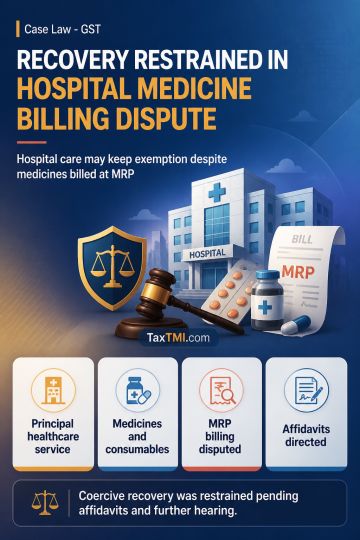
Composite inpatient healthcare supply may retain exemption despite MRP medicine billing, while separate taxable sale characterisation remains disputed...
Penalty under section 271D was unsustainable because the Tribunal found that the impugned receipts were made through banking channels by cheque on the dates shown, and the lower authorities had proceeded on an incorrect assumption about the transaction year; once cheque receipts were established, no contravention of section 269SS survived. Penalty under section 271(1)(c) was also not leviable because the loss claim was based on audited accounts and related business expenditure, and mere acceptance of disallowance did not amount to furnishing inaccurate particulars. Applying Reliance Petro Products, the Tribunal deleted both penalties.
Penalty under section 271D was unsustainable because the Tribunal found that the impugned receipts were made through banking channels by cheque on the dates shown, and the lower authorities had proceeded on an incorrect assumption about the transaction year; once cheque receipts were established, no contravention of section 269SS survived. Penalty under section 271(1)(c) was also not leviable because the loss claim was based on audited accounts and related business expenditure, and mere acceptance of disallowance did not amount to furnishing inaccurate particulars. Applying Reliance Petro Products, the Tribunal deleted both penalties.
Note: It is a system-generated summary and is for quick reference only.
 TaxTMI
 of 4805







 Join Channel


 TaxTMI
