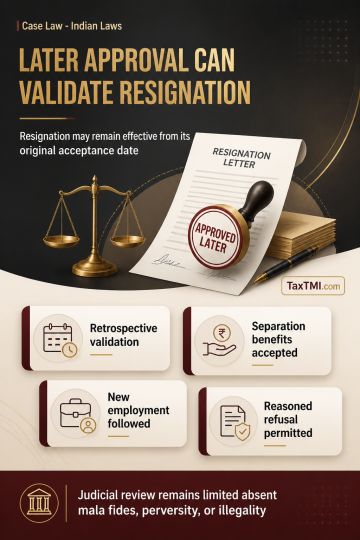
Ratification of resignation acceptance validates separation retrospectively, while withdrawal may be refused through reasoned administrative discretio...
Nature-dependent electricity contracts receive new Ind AS accounting, hedge designation, transition and financial-statement disclosure requirements fr...
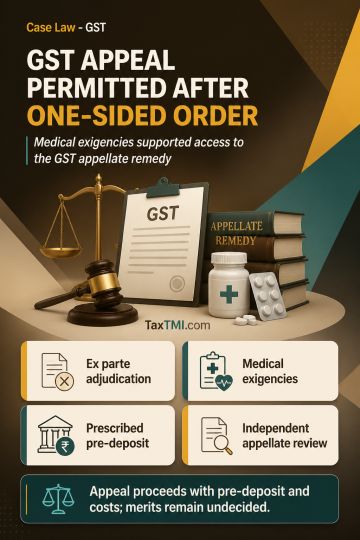
Alternative GST remedy permitted protective writ intervention for ex parte adjudication, preserving independent appellate review of input tax credit d...
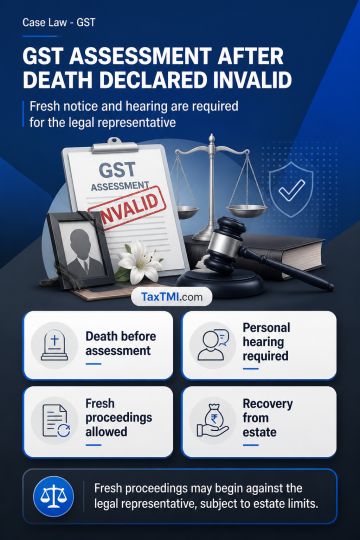
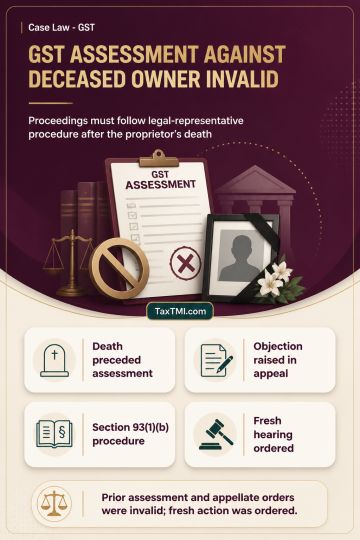
Assessment against deceased sole proprietor requires proceedings against the legal representative, rendering prior assessment and appellate orders inv...
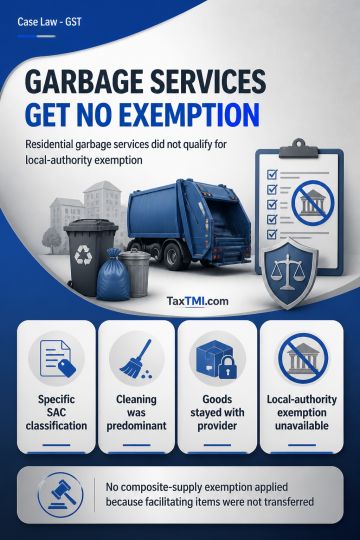
Residential waste collection classification under SAC 999423 defeats composite-supply exemption where facilitating goods are not transferred to the lo...
CRCL Kandla test reports were treated as adequate to classify imported synthetic fabric, because the declared entry required 85% or more textured polyester filaments while the reports showed only 60% to 63.5%; the declared Bill of Entry classification was therefore rejected and classification under CTH 54078290 upheld. On valuation, the Tribunal held that reassessment after rejection of declared value must follow the Customs Valuation Rules using relied-upon comparable import data, with invoices and supporting documents disclosed to the importer before fresh determination; the issue was remanded for that purpose. On duty exemption, ambiguity in the Letter of Permission required clarification from the Development Commissioner on whether fresh fabrics were authorised, and duty liability was to be reconsidered only within the scope of the show cause notice; this issue was also remanded.
CRCL Kandla test reports were treated as adequate to classify imported synthetic fabric, because the declared entry required 85% or more textured polyester filaments while the reports showed only 60% to 63.5%; the declared Bill of Entry classification was therefore rejected and classification under CTH 54078290 upheld. On valuation, the Tribunal held that reassessment after rejection of declared value must follow the Customs Valuation Rules using relied-upon comparable import data, with invoices and supporting documents disclosed to the importer before fresh determination; the issue was remanded for that purpose. On duty exemption, ambiguity in the Letter of Permission required clarification from the Development Commissioner on whether fresh fabrics were authorised, and duty liability was to be reconsidered only within the scope of the show cause notice; this issue was also remanded.
Note: It is a system-generated summary and is for quick reference only.
 TaxTMI
 of 4798









 Join Channel


 TaxTMI
