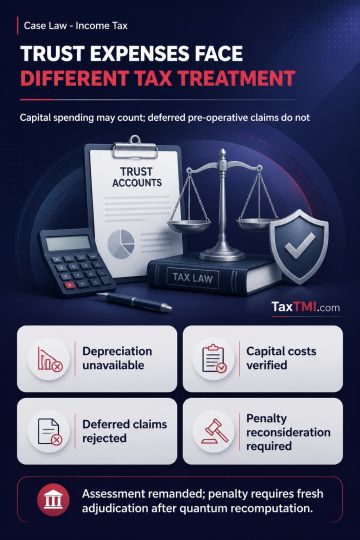
Charitable trust income application permits verified capital expenditure but rejects deferred pre-operative claims and requires reconsideration of con...
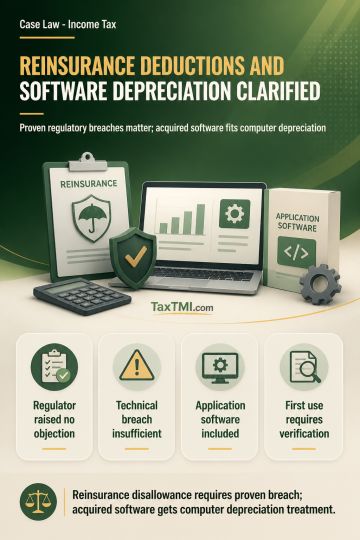
Reinsurance premium deductions require established regulatory breaches, while independently acquired software qualifies within the computer depreciati...
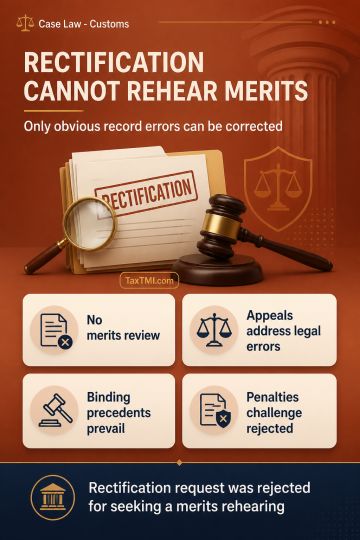
Rectification of mistake remains limited to self-evident record errors, preventing merits review through miscellaneous applications and preserving fin...
Tender creditworthiness conditions may extend to de facto Promoter Directors, with post-participation challenges generally barred absent arbitrariness...
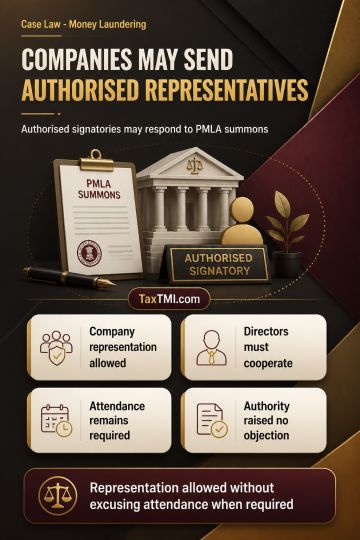
Corporate representation in PMLA summons proceedings permitted through an authorised signatory, subject to directors' continuing cooperation and atten...
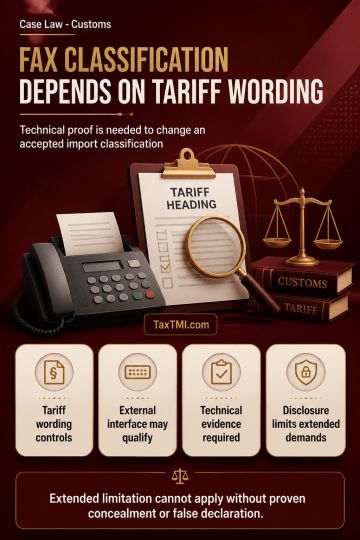
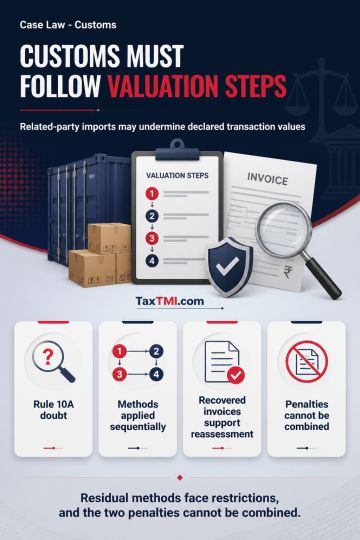
CRCL Kandla test reports were treated as adequate to classify imported synthetic fabric, because the declared entry required 85% or more textured polyester filaments while the reports showed only 60% to 63.5%; the declared Bill of Entry classification was therefore rejected and classification under CTH 54078290 upheld. On valuation, the Tribunal held that reassessment after rejection of declared value must follow the Customs Valuation Rules using relied-upon comparable import data, with invoices and supporting documents disclosed to the importer before fresh determination; the issue was remanded for that purpose. On duty exemption, ambiguity in the Letter of Permission required clarification from the Development Commissioner on whether fresh fabrics were authorised, and duty liability was to be reconsidered only within the scope of the show cause notice; this issue was also remanded.
CRCL Kandla test reports were treated as adequate to classify imported synthetic fabric, because the declared entry required 85% or more textured polyester filaments while the reports showed only 60% to 63.5%; the declared Bill of Entry classification was therefore rejected and classification under CTH 54078290 upheld. On valuation, the Tribunal held that reassessment after rejection of declared value must follow the Customs Valuation Rules using relied-upon comparable import data, with invoices and supporting documents disclosed to the importer before fresh determination; the issue was remanded for that purpose. On duty exemption, ambiguity in the Letter of Permission required clarification from the Development Commissioner on whether fresh fabrics were authorised, and duty liability was to be reconsidered only within the scope of the show cause notice; this issue was also remanded.
Note: It is a system-generated summary and is for quick reference only.
 TaxTMI
 of 4805






 Join Channel


 TaxTMI
