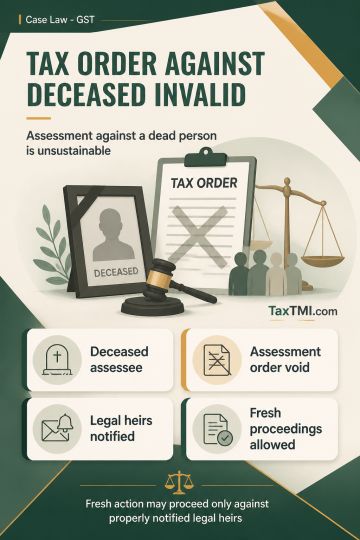
Mutual fund maturity rules require proper rollover, redemption, disclosure, and due diligence; investor gains cannot excuse regulatory breaches or pen...
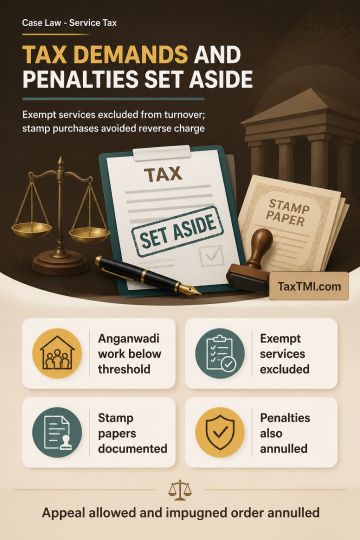
Threshold exemption excludes exempt services, while stamp-paper purchases avoid reverse charge; consequential service tax penalties were also set asid...
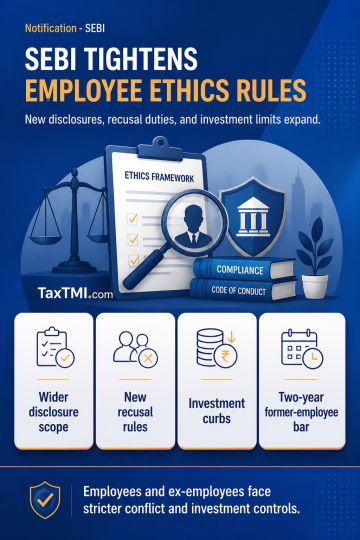
Employee conflict disclosures and investment restrictions expand with new recusal duties, post-employment limits, and compliance reporting requirement...
The insolvency admission was upheld because the corporate debtor could not reopen the validity of bank guarantee invocation after the DRT had already found that the guarantees were invoked before expiry and that finding had attained finality. The tribunal also treated the later one time settlement as a formal acknowledgment of the outstanding debt, and the debtor's failure to comply with that settlement constituted default. In view of the admitted sanction of the credit facility, execution of the corporate guarantee and mortgage, and remittance by the bank on invocation, the challenge to admission was untenable and the insolvency application remained valid.
The insolvency admission was upheld because the corporate debtor could not reopen the validity of bank guarantee invocation after the DRT had already found that the guarantees were invoked before expiry and that finding had attained finality. The tribunal also treated the later one time settlement as a formal acknowledgment of the outstanding debt, and the debtor's failure to comply with that settlement constituted default. In view of the admitted sanction of the credit facility, execution of the corporate guarantee and mortgage, and remittance by the bank on invocation, the challenge to admission was untenable and the insolvency application remained valid.
Note: It is a system-generated summary and is for quick reference only.
 TaxTMI
 of 4805







 Join Channel


 TaxTMI