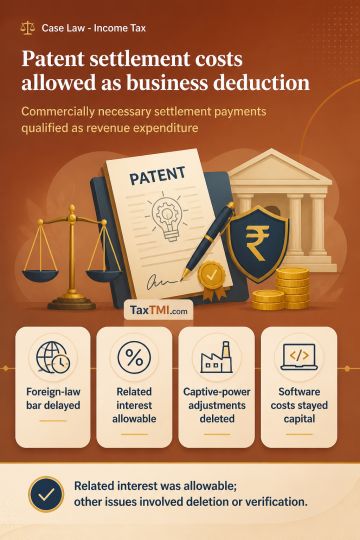
Patent-settlement expenditure treated as commercially expedient revenue outlay, with foreign-law restrictions inapplicable before the prospective amen...
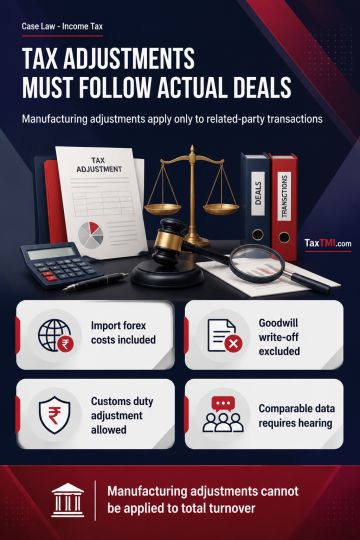
International transaction benchmarking restricts transfer pricing adjustments to associated-enterprise dealings, while functional comparability govern...
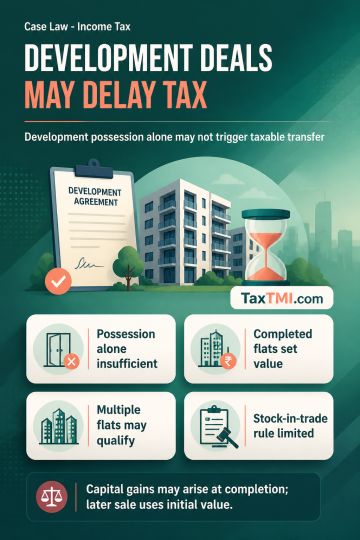
Joint development agreements defer taxable transfer where possession lacks part performance, while completed flats determine consideration and exempti...
The insolvency admission was upheld because the corporate debtor could not reopen the validity of bank guarantee invocation after the DRT had already found that the guarantees were invoked before expiry and that finding had attained finality. The tribunal also treated the later one time settlement as a formal acknowledgment of the outstanding debt, and the debtor's failure to comply with that settlement constituted default. In view of the admitted sanction of the credit facility, execution of the corporate guarantee and mortgage, and remittance by the bank on invocation, the challenge to admission was untenable and the insolvency application remained valid.
The insolvency admission was upheld because the corporate debtor could not reopen the validity of bank guarantee invocation after the DRT had already found that the guarantees were invoked before expiry and that finding had attained finality. The tribunal also treated the later one time settlement as a formal acknowledgment of the outstanding debt, and the debtor's failure to comply with that settlement constituted default. In view of the admitted sanction of the credit facility, execution of the corporate guarantee and mortgage, and remittance by the bank on invocation, the challenge to admission was untenable and the insolvency application remained valid.
Note: It is a system-generated summary and is for quick reference only.
 TaxTMI
 of 4803



 Join Channel


 TaxTMI
