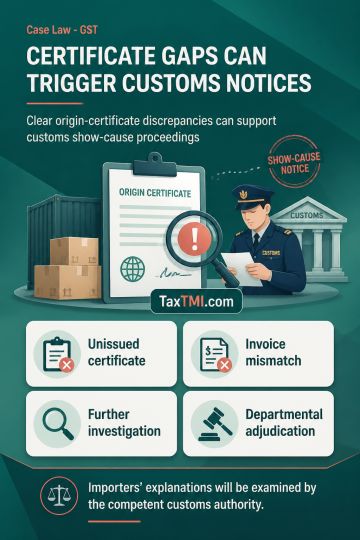
Jurisdictional facts in certificate-of-origin discrepancies can support customs show-cause proceedings, leaving factual explanations for departmental ...
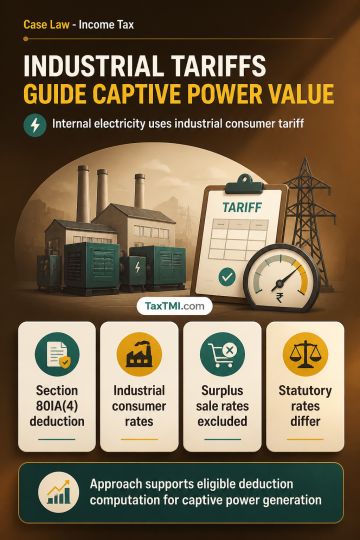
Market value for captive electricity consumption follows industrial consumer tariffs, supporting profit computation for the power generation deduction...
Section 20 of the Prevention of Money-Laundering Act does not cause a freezing order to lapse automatically after 180 days where the Adjudicating Authority has authorised retention or continuation within that period. On the facts, the retention order had been passed in time, so the challenge based on the outer-limit argument failed. The Tribunal also found prima facie material, including the appellant's own statement, showing involvement in facilitating false inspection reports, verification of bank guarantees and processing connected proposals, and noted the failure to disclose the source of the funds in the frozen accounts. The challenge to continued retention was rejected and the appeal dismissed.
Section 20 of the Prevention of Money-Laundering Act does not cause a freezing order to lapse automatically after 180 days where the Adjudicating Authority has authorised retention or continuation within that period. On the facts, the retention order had been passed in time, so the challenge based on the outer-limit argument failed. The Tribunal also found prima facie material, including the appellant's own statement, showing involvement in facilitating false inspection reports, verification of bank guarantees and processing connected proposals, and noted the failure to disclose the source of the funds in the frozen accounts. The challenge to continued retention was rejected and the appeal dismissed.
Note: It is a system-generated summary and is for quick reference only.
 TaxTMI
 of 4805












 Join Channel


 TaxTMI