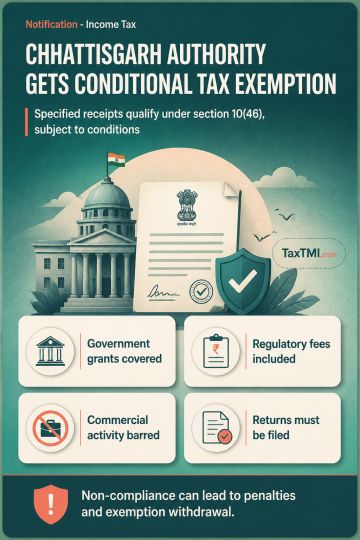
Specified regulatory authority income receives conditional tax exemption, subject to non-commercial activity, unchanged income character, and return f...
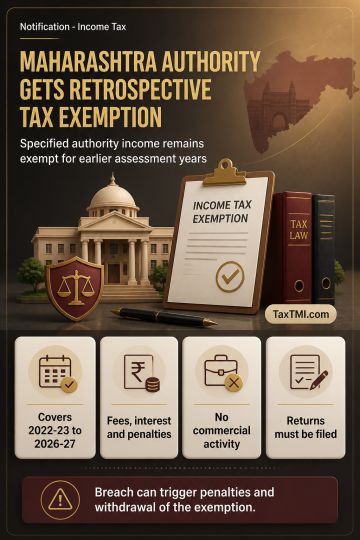
Tax exemption for regulatory authority income applies retrospectively, subject to non-commercial activity, unchanged income sources, and return-filing...
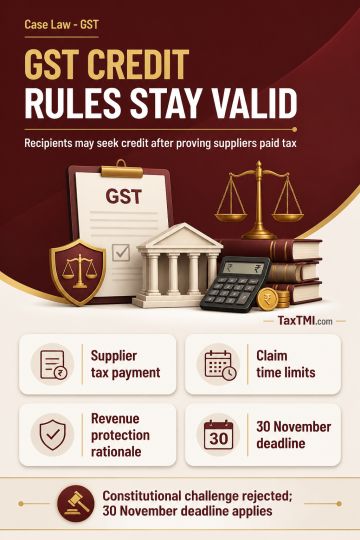
Input tax credit conditions remain constitutionally valid, with eligible recipient claims considered under GST circulars and retrospective filing dead...
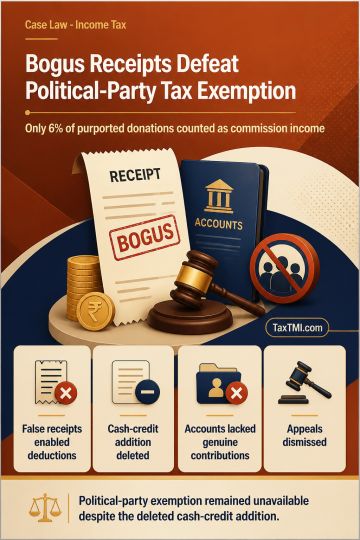
Bogus donation receipts justified commission income assessment and defeated political-party tax exemption for inaccurate accounts and reporting failur...
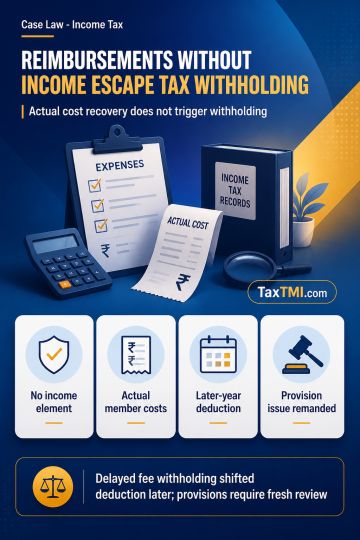
Pure reimbursement without income element escapes tax withholding, while delayed withholding and unsupported provisions face deferred or renewed scrut...
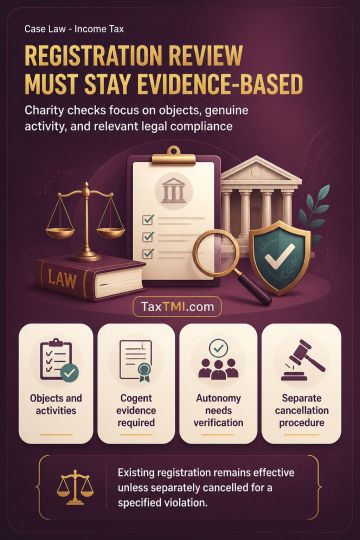
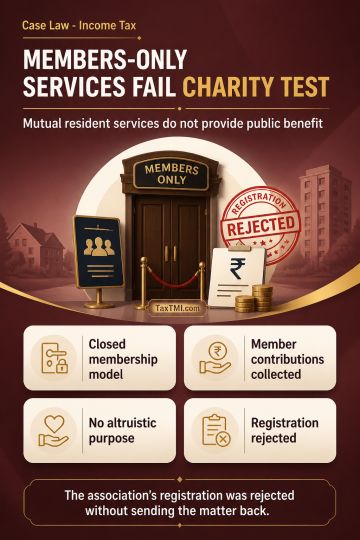
Public benefit requirement defeats charitable registration where residents' association services are reciprocal, member-only facilities governed by mu...
In fraud classification proceedings under RBI Master Directions, natural justice was held to require notice, disclosure of material, an opportunity to submit a written representation, and a reasoned order, but not an oral personal hearing as of right. The Court distinguished fraud classification from wilful defaulter proceedings and upheld the regulatory process as a prompt risk-mitigation mechanism. It also held that the borrower must ordinarily be furnished the forensic audit report relevant to the proposed classification, since disclosure of the report is necessary for an effective response; only portions affecting third-party rights may be withheld for recorded reasons, with an opportunity to contest non-disclosure. The appeals were partly allowed.
In fraud classification proceedings under RBI Master Directions, natural justice was held to require notice, disclosure of material, an opportunity to submit a written representation, and a reasoned order, but not an oral personal hearing as of right. The Court distinguished fraud classification from wilful defaulter proceedings and upheld the regulatory process as a prompt risk-mitigation mechanism. It also held that the borrower must ordinarily be furnished the forensic audit report relevant to the proposed classification, since disclosure of the report is necessary for an effective response; only portions affecting third-party rights may be withheld for recorded reasons, with an opportunity to contest non-disclosure. The appeals were partly allowed.
Note: It is a system-generated summary and is for quick reference only.
 TaxTMI
 of 4805





 Join Channel


 TaxTMI