Pre-existing operational debt disputes require genuine evidence, while undirected running-account payments may be appropriated on a first-in-first-out...
Agency in CNG distribution makes outlet operators commission agents, rendering taxable Business Auxiliary Service rather than purchasing goods for res...
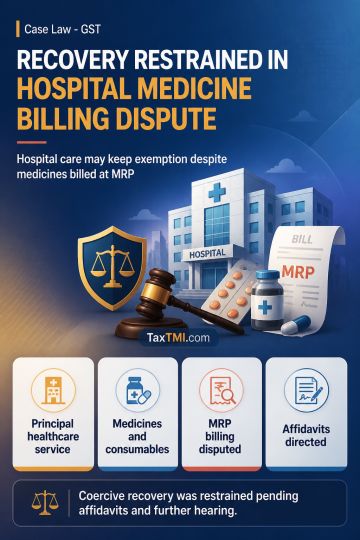
Composite inpatient healthcare supply may retain exemption despite MRP medicine billing, while separate taxable sale characterisation remains disputed...
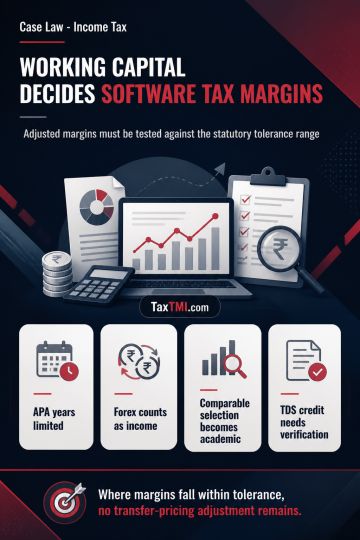
Working-capital adjustment determines whether software-services transfer-pricing margins fall within the statutory tolerance range, eliminating any ad...
Page of 4809
Press 'Enter' after typing page number.
1141 to 1160 of 96177 Results
❮
❯
❯❯
0 / 200
Expand Note
Add to Folder
No Folders have been created
+
Are you sure you want to delete "My most important" ?
Section 24(1)(a) of the 2013 Act applies where acquisition proceedings began under the 1894 Act but the award was made after the 2013 Act commenced; compensation must then be determined under the 2013 Act, while rehabilitation and resettlement entitlements are not retrospectively imported. Appeals from such awards are treated as first appeals under Section 74 of the 2013 Act, not under Section 54 of the 1894 Act. Section 74 does not expressly or impliedly exclude Section 5 of the Limitation Act, and Section 29(2) therefore permits condonation of delay. The delay in the first appeals was condoned, the contrary High Court rulings were set aside, and the matters were directed to proceed on merits.
Section 24(1)(a) of the 2013 Act applies where acquisition proceedings began under the 1894 Act but the award was made after the 2013 Act commenced; compensation must then be determined under the 2013 Act, while rehabilitation and resettlement entitlements are not retrospectively imported. Appeals from such awards are treated as first appeals under Section 74 of the 2013 Act, not under Section 54 of the 1894 Act. Section 74 does not expressly or impliedly exclude Section 5 of the Limitation Act, and Section 29(2) therefore permits condonation of delay. The delay in the first appeals was condoned, the contrary High Court rulings were set aside, and the matters were directed to proceed on merits.
Note: It is a system-generated summary and is for quick reference only.
 TaxTMI
  TaxTMI
 of 4809















 Join Channel