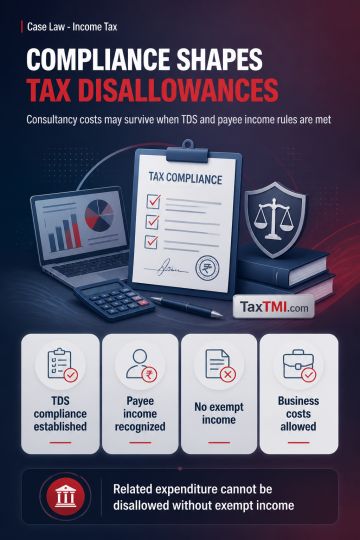
Tax deduction compliance and payee income recognition govern consultancy disallowance, while no exempt income prevents related expenditure disallowanc...
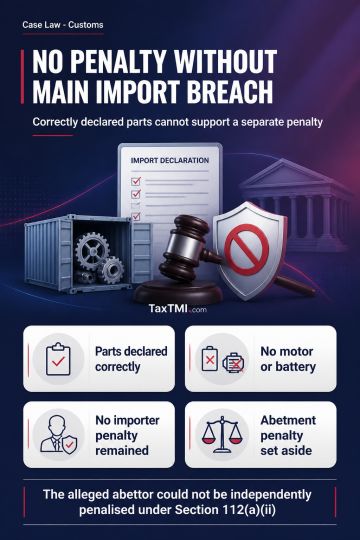
Derivative abetment liability fails when correctly declared imported components establish no underlying improper importation by the principal importer...
Page of 4805
Press 'Enter' after typing page number.
701 to 720 of 96100 Results
❮
❯
❯❯
0 / 200
Expand Note
Add to Folder
No Folders have been created
+
Are you sure you want to delete "My most important" ?
Section 24(1)(a) of the 2013 Act applies where acquisition proceedings began under the 1894 Act but the award was made after the 2013 Act commenced; compensation must then be determined under the 2013 Act, while rehabilitation and resettlement entitlements are not retrospectively imported. Appeals from such awards are treated as first appeals under Section 74 of the 2013 Act, not under Section 54 of the 1894 Act. Section 74 does not expressly or impliedly exclude Section 5 of the Limitation Act, and Section 29(2) therefore permits condonation of delay. The delay in the first appeals was condoned, the contrary High Court rulings were set aside, and the matters were directed to proceed on merits.
Section 24(1)(a) of the 2013 Act applies where acquisition proceedings began under the 1894 Act but the award was made after the 2013 Act commenced; compensation must then be determined under the 2013 Act, while rehabilitation and resettlement entitlements are not retrospectively imported. Appeals from such awards are treated as first appeals under Section 74 of the 2013 Act, not under Section 54 of the 1894 Act. Section 74 does not expressly or impliedly exclude Section 5 of the Limitation Act, and Section 29(2) therefore permits condonation of delay. The delay in the first appeals was condoned, the contrary High Court rulings were set aside, and the matters were directed to proceed on merits.
Note: It is a system-generated summary and is for quick reference only.
 TaxTMI
 of 4805











 Join Channel


 TaxTMI