Approved resolution plans extinguish unsubmitted pre-approval tax claims, preventing later recovery outside the insolvency process and preserving a cl...
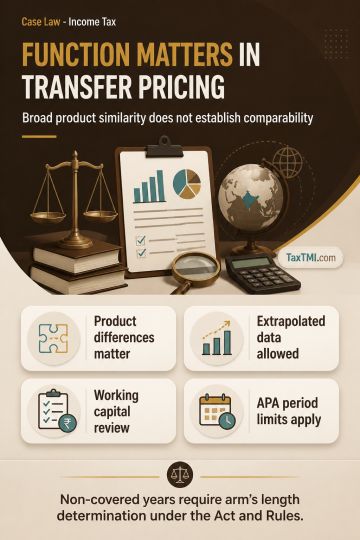
Transfer pricing comparability requires functional alignment and permits working capital adjustment, while APA margins cannot govern non-covered years...
Treaty benefit, goodwill depreciation and hedging costs: export commission disallowed, while key business deductions and depreciation claims succeeded...
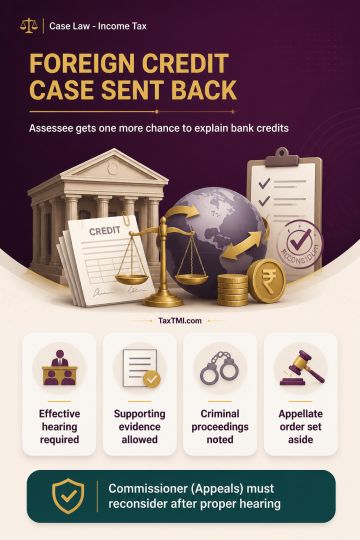
Undisclosed foreign asset classification requires an unexplained source; unrebutted affidavits and corroborative evidence defeated the Black Money Act...
Wilful disobedience is the core test for civil contempt under Article 215 and Sections 11 and 12 of the Contempt of Courts Act. The High Court held that the earlier writ order only required the employer to recalculate the withheld amount and pay it with statutory interest, not to pay a fixed sum. Because the authority undertook that exercise, determined entitlement, and made payment, substantial compliance was shown and no wilful disobedience was made out. Any challenge to the correctness or adequacy of the quantified amount lay before the appropriate forum, not in contempt.
Wilful disobedience is the core test for civil contempt under Article 215 and Sections 11 and 12 of the Contempt of Courts Act. The High Court held that the earlier writ order only required the employer to recalculate the withheld amount and pay it with statutory interest, not to pay a fixed sum. Because the authority undertook that exercise, determined entitlement, and made payment, substantial compliance was shown and no wilful disobedience was made out. Any challenge to the correctness or adequacy of the quantified amount lay before the appropriate forum, not in contempt.
Note: It is a system-generated summary and is for quick reference only.
 TaxTMI
  TaxTMI
 of 4819














 Join Channel


