Prolonged sterilisation of development rights supports capital-gains treatment, while business-income disallowances cannot govern capital-gains comput...
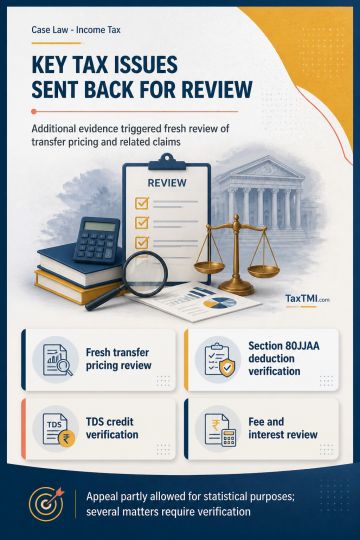
Additional evidence in transfer pricing dispute leads to fresh examination, while tax deductions, TDS credit, fee and refund interest require verifica...
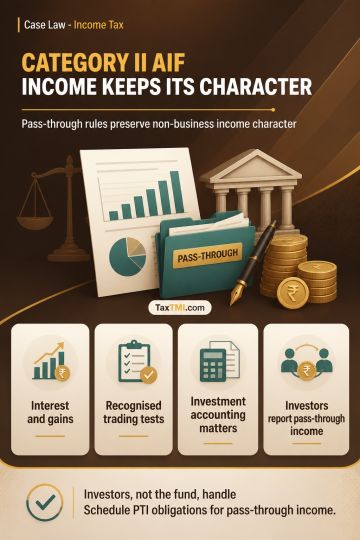
Category II AIF pass-through taxation preserves non-business income character; investment receipts cannot be reclassified without applying recognised ...
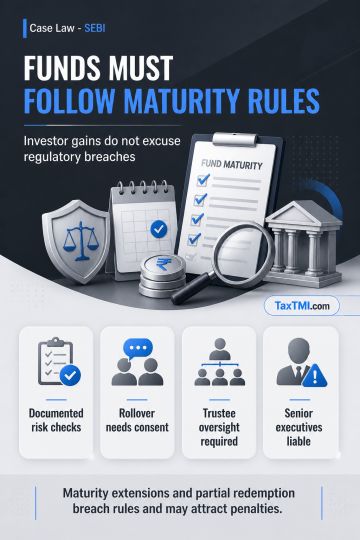
Mutual fund maturity rules require proper rollover, redemption, disclosure, and due diligence; investor gains cannot excuse regulatory breaches or pen...
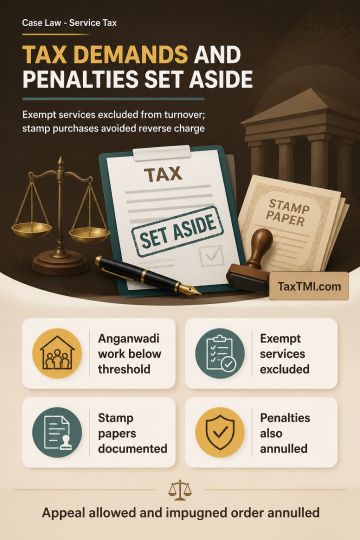
Threshold exemption excludes exempt services, while stamp-paper purchases avoid reverse charge; consequential service tax penalties were also set asid...
Section 107 of the GST law allows an appeal within three months, with only one further month condonable on sufficient cause; once that outer limit expires, neither the Appellate Authority nor the HC can extend time. Applying Supreme Court guidance, the Court held that writ jurisdiction cannot be used to override the statutory limitation scheme, and explanations such as accountant negligence did not justify condonation beyond the cap. Having already pursued the statutory appeal, the petitioner was also not permitted to reopen the show-cause notice or cancellation order in writ proceedings, especially where no appearance was made before the appellate authority despite opportunity. The writ petition was dismissed.
Section 107 of the GST law allows an appeal within three months, with only one further month condonable on sufficient cause; once that outer limit expires, neither the Appellate Authority nor the HC can extend time. Applying Supreme Court guidance, the Court held that writ jurisdiction cannot be used to override the statutory limitation scheme, and explanations such as accountant negligence did not justify condonation beyond the cap. Having already pursued the statutory appeal, the petitioner was also not permitted to reopen the show-cause notice or cancellation order in writ proceedings, especially where no appearance was made before the appellate authority despite opportunity. The writ petition was dismissed.
Note: It is a system-generated summary and is for quick reference only.
 TaxTMI
  TaxTMI
 of 4817










 Join Channel


