Captive transfer pricing relies on industrial consumer tariffs, while genuine quotations can benchmark effluent treatment transfers under the Other Me...
Specific tariff classification for ophthalmic instruments and extended limitation principles determine the treatment of duty demands, confiscation, an...
Integrated golf function determines classification, placing launch monitors and simulators under other golf equipment rather than measuring instrument...
Public servant status under anti-corruption law extends to recognised stock exchange leadership; constitutional and sanction challenges do not succeed...
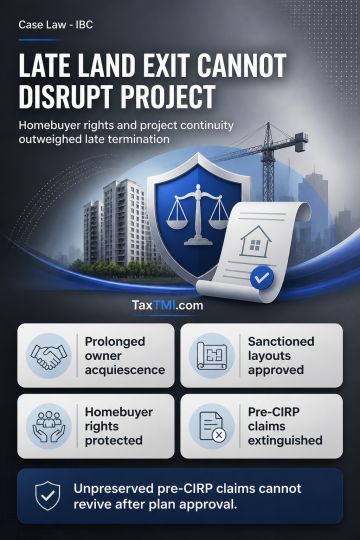
Acquiescence, homebuyer protection and clean-slate resolution principles prevent landowners from disrupting an integrated project through late termina...
Refund of duty paid under protest was held to arise only after the underlying dispute on exemption or classification is finally settled in the assessee's own case. Applying Dena Snuff, the Tribunal found that the decisive question was whether a legally enforceable cause of action for refund existed on the date of the application, not the later success on exemption entitlement. Because the eligibility dispute had not been finally decided when the refund was filed, the claim was premature and correctly rejected. The Tribunal also noted that a show cause notice under section 28 of the Customs Act requires an existing cause of action and that protective demands issued without one are not sustainable.
Refund of duty paid under protest was held to arise only after the underlying dispute on exemption or classification is finally settled in the assessee's own case. Applying Dena Snuff, the Tribunal found that the decisive question was whether a legally enforceable cause of action for refund existed on the date of the application, not the later success on exemption entitlement. Because the eligibility dispute had not been finally decided when the refund was filed, the claim was premature and correctly rejected. The Tribunal also noted that a show cause notice under section 28 of the Customs Act requires an existing cause of action and that protective demands issued without one are not sustainable.
Note: It is a system-generated summary and is for quick reference only.
 TaxTMI
  TaxTMI
 of 4821


















 Join Channel