Donor-directed corpus contributions retain capital character despite exemption claims under section 10(23C)(vi), preventing their treatment as taxable...
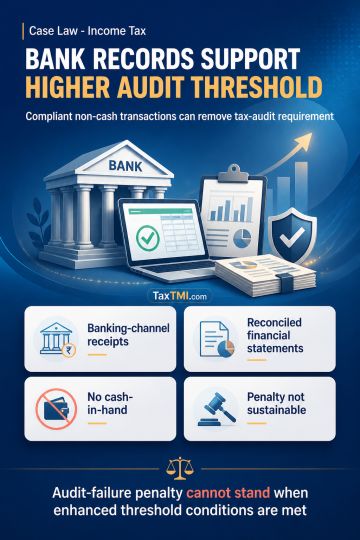
Enhanced tax-audit threshold applies where banking records establish compliant non-cash receipts and payments, eliminating penalty exposure for audit ...
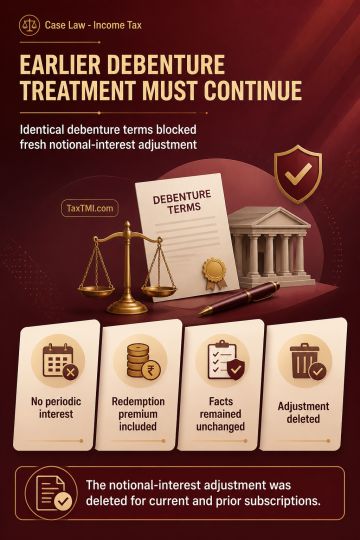
Transfer pricing consistency protects identical non-interest-bearing debenture terms from a later notional-interest adjustment without valid statutory...
Rectification of debatable deduction claims cannot reverse scrutiny-approved co-operative society interest income deductions as apparent record errors...
Cash-method accounting bars presumptive interest taxation, while unsupported securities and share-trading additions require reliable material and veri...
Section 9D compliance is mandatory before statements recorded under section 14 of the Central Excise Act can be relied on; where the maker is not first examined and the statement is not admitted in accordance with section 9D, denial of cross-examination does not cure the defect, and such statements cannot support the demand. Clandestine manufacture and removal must be proved by positive, clinching corroborative evidence; in the absence of documentary support, excess inputs, unrecorded production, stock discrepancy, or transport records, the allegation failed. Penalty under rule 26 also could not stand without a finding that the goods were liable to confiscation, so the duty demand and penalties were set aside.
Section 9D compliance is mandatory before statements recorded under section 14 of the Central Excise Act can be relied on; where the maker is not first examined and the statement is not admitted in accordance with section 9D, denial of cross-examination does not cure the defect, and such statements cannot support the demand. Clandestine manufacture and removal must be proved by positive, clinching corroborative evidence; in the absence of documentary support, excess inputs, unrecorded production, stock discrepancy, or transport records, the allegation failed. Penalty under rule 26 also could not stand without a finding that the goods were liable to confiscation, so the duty demand and penalties were set aside.
Note: It is a system-generated summary and is for quick reference only.
 TaxTMI
  TaxTMI
 of 4816
















 Join Channel


