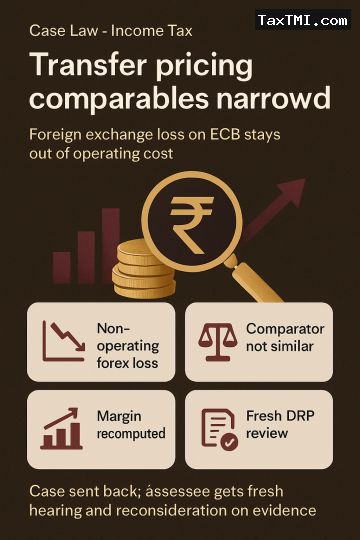
Transfer pricing comparability under TNMM: foreign exchange loss on ECB excluded from operating cost, and a functionally dissimilar comparator removed...
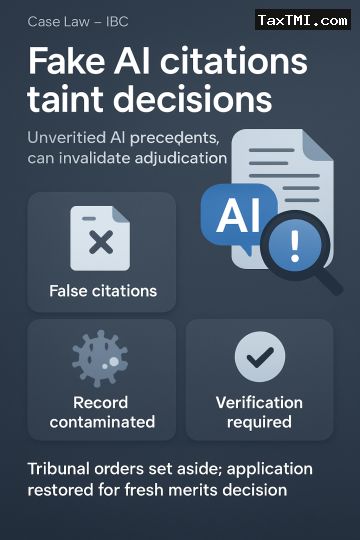
Fake AI-generated precedents vitiate adjudication, with unverified citations contaminating the decision-making process and undermining the rule of law...
A writ petition challenging an order-in-original and recovery proceedings was not entertained because the petitioner had an available statutory appellate remedy with a prescribed limitation period and limited condonation, but failed to use it in time. The High Court held that Article 226 cannot ordinarily be invoked to bypass the statutory machinery where the party has disabled itself from pursuing the appellate remedy by its own default. Relying on Supreme Court authority, the Court declined writ jurisdiction and dismissed the petition after finding that the permissible appellate period had already expired.
A writ petition challenging an order-in-original and recovery proceedings was not entertained because the petitioner had an available statutory appellate remedy with a prescribed limitation period and limited condonation, but failed to use it in time. The High Court held that Article 226 cannot ordinarily be invoked to bypass the statutory machinery where the party has disabled itself from pursuing the appellate remedy by its own default. Relying on Supreme Court authority, the Court declined writ jurisdiction and dismissed the petition after finding that the permissible appellate period had already expired.
Note: It is a system-generated summary and is for quick reference only.
 TaxTMI
  TaxTMI
 of 4817








 Join Channel